Featured

Golf, Gretzky and the scoop that never was: Remembering Bob Cole

On Friday, the late Newfoundland hockey broadcaster, Bob Cole was honoured by friends and family at a funeral service in St. John’s. Cole died last week at the fine old age of 90. His death set off a wave of tributes from coast to coast to coast. Dozens of tributes for his great contribution to Hockey and his place in our history as the soundtrack to five decades of on-ice magic.

My first meeting with Mr.Cole

This all got me thinking about my first meeting with Mr. Cole over 35 years ago. It was a frustrating summer day that drew back the veil on a man whom to that point I’d only known as “the voice of hockey.”

August 9, 1988. A warm overcast day in St. John’s. I was a year into my first on-air job as a sports reporter for CBC Newfoundland and Labrador. 
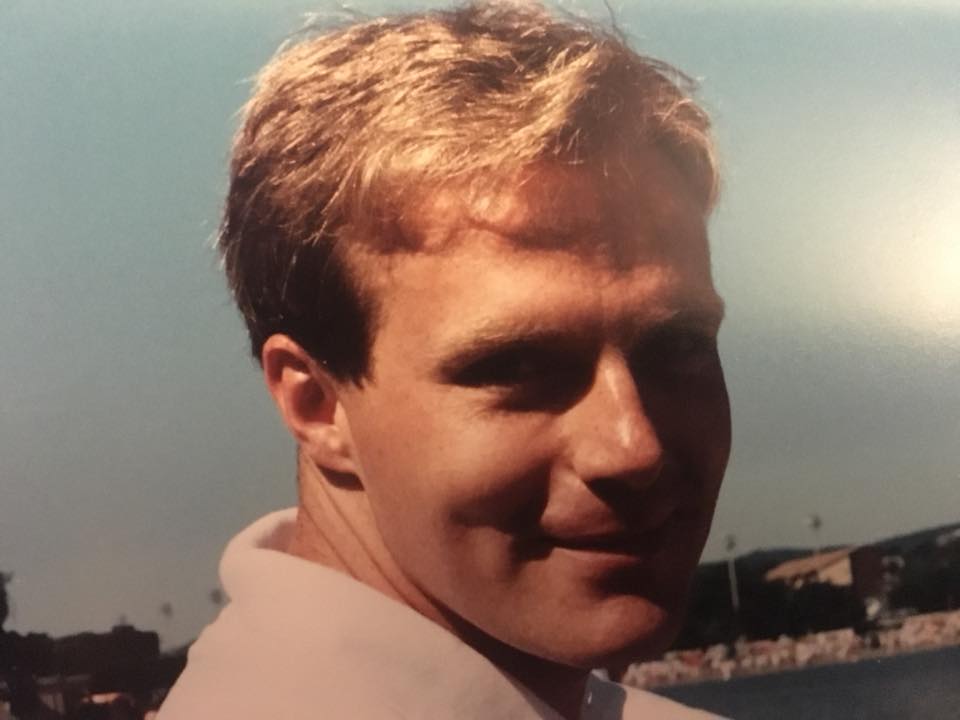
The sports reporter in 1988

A big story was on the verge of breaking

I was up before daylight to cover the annual Bob Cole celebrity classic at the Bally Haly Golf Club. This was supposed to be a straightforward assignment for the “sports guy”, collect video and clips of the visiting hockey stars and team executives and put together a short item about the event.

By 8:00 am, the golf tournament was an afterthought. A big story was on the verge of breaking. Rumours swirled around the clubhouse and through the ranks of the assembled NHL players and managers. Hockey’s greatest player was about to be traded. By day’s end, Wayne Gretzky was on his way out of Edmonton to the Los Angeles Kings. Bob Cole himself, told me he’d known this was happening, Cole had an impeccable source, the triggerman on the trade, his close friend, Edmonton Oilers General Manager Glenn Sather. But there was a huge catch.

 Cole wasn’t sharing the information officially with anyone. This was a maddening situation. A career-defining scoop was almost within my grasp, but Mr. Cole would not confirm it for me, or anyone else. His allegiance to his friends inside the hockey world overrode any journalistic tendencies or any generosity he might feel toward a local reporter. My pleading had absolutely no effect. Cole flat-out refused an on-camera interview with me.

 I drove back to the newsroom angry and frustrated.

By afternoon, I was back at the golf course. By then the story had broken in Edmonton and exploded across the country. Gretzky’s tearful news conference was all over live TV. He was leaving the Stanley Cup Champion Oilers, bound for Los Angeles. Out on the East Coast, there was still work to be done. Several of Gretzky’s former teammates were still at Bally Haly. CBC in Toronto and Edmonton were putting the pressure on. They wanted a reaction to the big trade. Grant Fuhr, Kevin Lowe and Marty McSorley had won the cup with Gretzky just weeks before.  The 27-year-old me drove back to the golf course, determined to talk to them.

Bob Cole was waiting, outside the pro shop. He was still in no mood to share anything with me. Cole wanted the three Oilers left alone. No comment from Cole and forget about access to anyone out on the course.

It quickly reached a flashpoint

My discussion with Cole was heating up. It quickly reached a flashpoint when he said, “Listen here, my son”.

My reply:

 “I’m not your goddam son, and you’re denying me access to the biggest story in the country right now.”  He glared at me, but after a short standoff, Cole reluctantly gave in.

Videographer Mark Thompson and I climbed aboard a golf cart with Cole. We tracked down Oiler goalie Grant Fuhr and defenceman Kevin Lowe.  After all the day’s drama, the interviews themselves were anticlimactic. A muted reaction from two somewhat bewildered former teammates of Gretzky’s. Oiler tough guy Marty McSorley was tracked down later that night at his hotel. By then he’d been told he was also going to the Kings as part of the trade package. 

The clips I gathered were taken back to the station and absorbed into the CBC system for air. My potential career-defining scoop diminished to a minor footnote in one of the biggest sports stories in Canadian history.

Cole held court

Later that year I bumped into Bob Cole again. He was the guest speaker at a lunch for local sports reporters.

The Gretzky trade was still top of mind. Cole held court about the day of the trade and his unwillingness to share information. To him, it wasn’t about giving anyone a scoop. It was about loyalty to his friends. 36 years later, maybe I see Mr. Cole’s point. Stories come and go. Friends are forever, and Bob Cole seems to have had a multitude.

Ending a 45-Year Love Affair with Beer

The anniversary passed quietly, just a couple of weeks ago.

On September 29th, 2023, I drank my last alcoholic beer.

I was sharing dinner with a couple of old friends and faced a 25-minute drive home.

It wasn’t to be a big night anyway. I sipped on a Heineken, then had a non-alcoholic Corona as a nightcap. As simply as that, a 45-year love affair ended.

like so many of you, there have been times when my drinking was problematic.

Now, let’s be clear, I’ve never had a big-time drinking problem, but like so many of you, there have been times when my drinking was problematic.

I’ve been a beer drinker since I was in high school.

There were early hints that my relationship with alcohol was going to be complicated. Before beer, there was a brief dalliance with vodka. I was spectacularly ill. There were flirtations with Southern Comfort, a popular concert companion for members of my friend group. Ah, nothing like the post-Aerosmith hangover. I soon gave up hard liquor and stuck to beer.  

The teenage me loved drinking. A few beers made my natural shyness disappear. Booze made me fit in. It made me feel bigger, more confident, more interesting (at least in my mind). It removed my inhibitions when it came to asking girls to dance at the Spring Formal.

In my 20’s, beer helped grease the wheels as I started my journalism career. Beer lubricated friendships and fostered newsroom camaraderie.  That was the upside. The downside? Covering for drunk colleagues who returned from the bar an hour before they were to be on air. Drinking was the cause of at least one near punch-up in the newsroom. On more than one occasion I was the tipsy colleague. There were a couple of times later in my career when 3 or 4 pints at lunch might have affected my on-air performance.
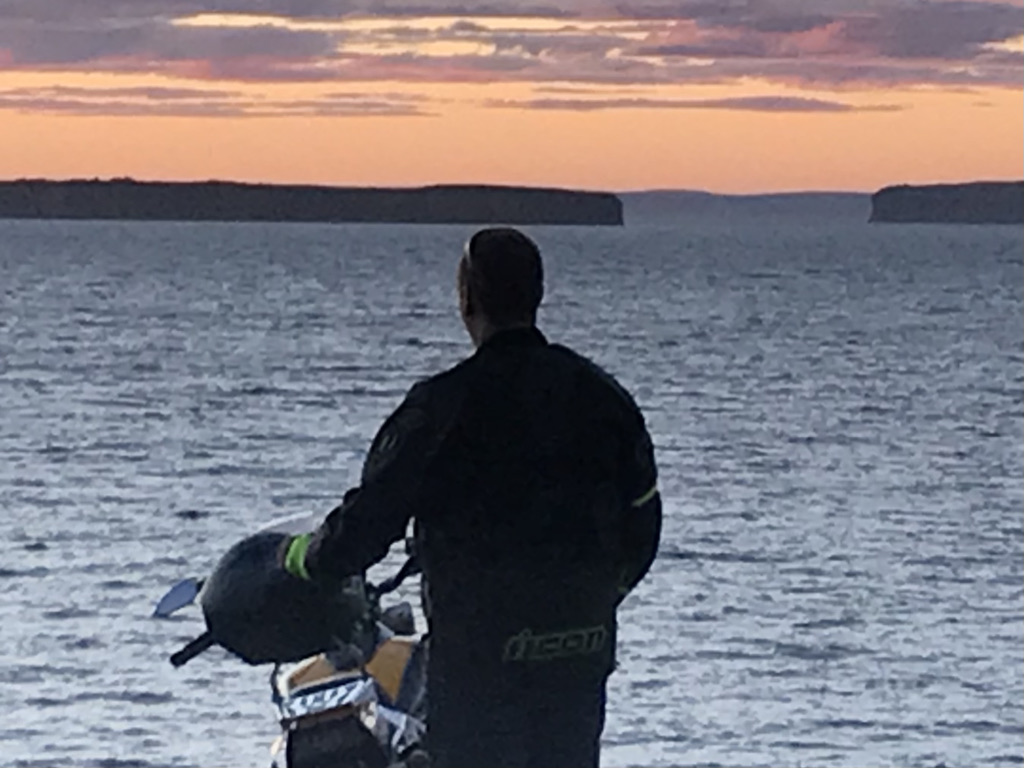
Drinking sometimes caused chaos for me and the people around me.

Drinking sometimes caused chaos for me and the people around me. Beer cleared my filters. If I was happy, it made me happier. If I was unhappy, it made me unhappier. Decades later, I’m still ashamed of some of the rotten things I’ve said and done while in the grip of a dozen beers.  

I could generally control my drinking. As a younger guy, I was a dedicated runner, so I could usually get to bed earlier than most.  But that’s not to say drinking didn’t affect me. I ran a lot of miles hungover.

There are scores of funny drinking stories from my teens, 20’s and 30’s. But looking back, many of the stories were not funny at all. There are vivid memories of hair-raising close calls, usually involving buddies, beers, cars and a lot of dumb luck.

So many “morning afters”, sifting through the forensics of the night before, analyzing who was owed an apology, or what needed fixing. Those memories still make me cringe.

 By the time my 30’s hit, I was a lot more responsible. Although I still had my moments. There was that farewell party for a colleague about 10 years ago involving a dozen 9% Belgian beers.

Tasty going down, awful coming up. A painful Sunday in bed, an embarrassing Monday at work.

Generally, as I hit middle age, my drinking evolved from something I did with others to something I did alone at home. Beer was my medication for the general wretchedness of a failing marriage. Did it help?

Not really.

Skip ahead.

My marriage ended.

I met someone else.

She is a non-drinker, which made quitting a lot easier.  But giving up beer was a gradual process. Even after six happy years in a new relationship, I was still enjoying my weekend beers, but not quite ready to stop.

The final stretch in my long career as a drinker began with a major life change. In the summer of 2023, I decided to retire from my second career as a college instructor. Endless free time stretched before me, along with a potential problem.  For the first time in nearly 40 years, I had no reason not to enjoy a cold one. I could drink every day if I wanted to.

My consumption was ticking upward. My better half noticed the recycling bin filling up quicker than usual.

Gradually 3 or 4 on a Friday night became 5-6. Friday and Saturday night beers became Thursday, Friday, Saturday and Sunday night beers. My consumption was ticking upward. My better half noticed the recycling bin filling up quicker than usual.

You can see where this was heading.

As the empties piled up, I began to evaluate. Did I want to be the retired guy who develops a sneaky little drinking problem? Every Friday, I’d ask myself:” Do I pick up a few beers for the weekend, or is this the end ?” A little voice was starting to tell me my trips to the beer store were numbered.

No matter how little I drank, I’d often wake up anxious, feeling that somehow, I’d done something wrong.

You see, something weird was beginning to happen. No matter how little I drank, I’d often wake up anxious, feeling that somehow, I’d done something wrong. One beer, or two, or three-the number didn’t matter. When Saturday dawned, I’d inevitably wake up with a case of the cringes. It was as if decades of beer-fuelled misadventures were ganging up on me. General guilt is a finely honed emotion in my family. Beer wasn’t helping.

Even as my fiance and I planned a September wedding, I was planning my breakup with beer.

The tipping point? the overwhelming evidence that I was far better off without alcohol in any form.

This year the World Health Organization linked alcohol use to more than 200 different diseases, including cancer, heart disease and mental illness. These are truly sobering facts, especially considering my father’s death at 82 from stomach cancer and some personal struggles with depression. I also wanted to be generally fitter and healthier.

Logic had won.

https://www.who.int/news-room/fact-sheets/detail/alcohol – :~:text=Drinking alcohol is associated with,anxiety and alcohol use disorders.

So just over a year ago, a week after my wedding, I drank my last beer.

I haven’t had one since.

I’m sure it would add to the narrative if I could tell you that the last 12 months have been a struggle.

They haven’t. The breakup was a lot easier than I thought it would be.

There are no cravings.

I still have leftover beers in the fridge from my wedding. Untouched.

I enjoy waking up on a Saturday morning with a clear head and a clear conscience.

Aside from that, there’s been no dramatic changes. As long-term relationships go, this one ended quietly. It was simply time to say goodbye.

Cod, sunshine and whales

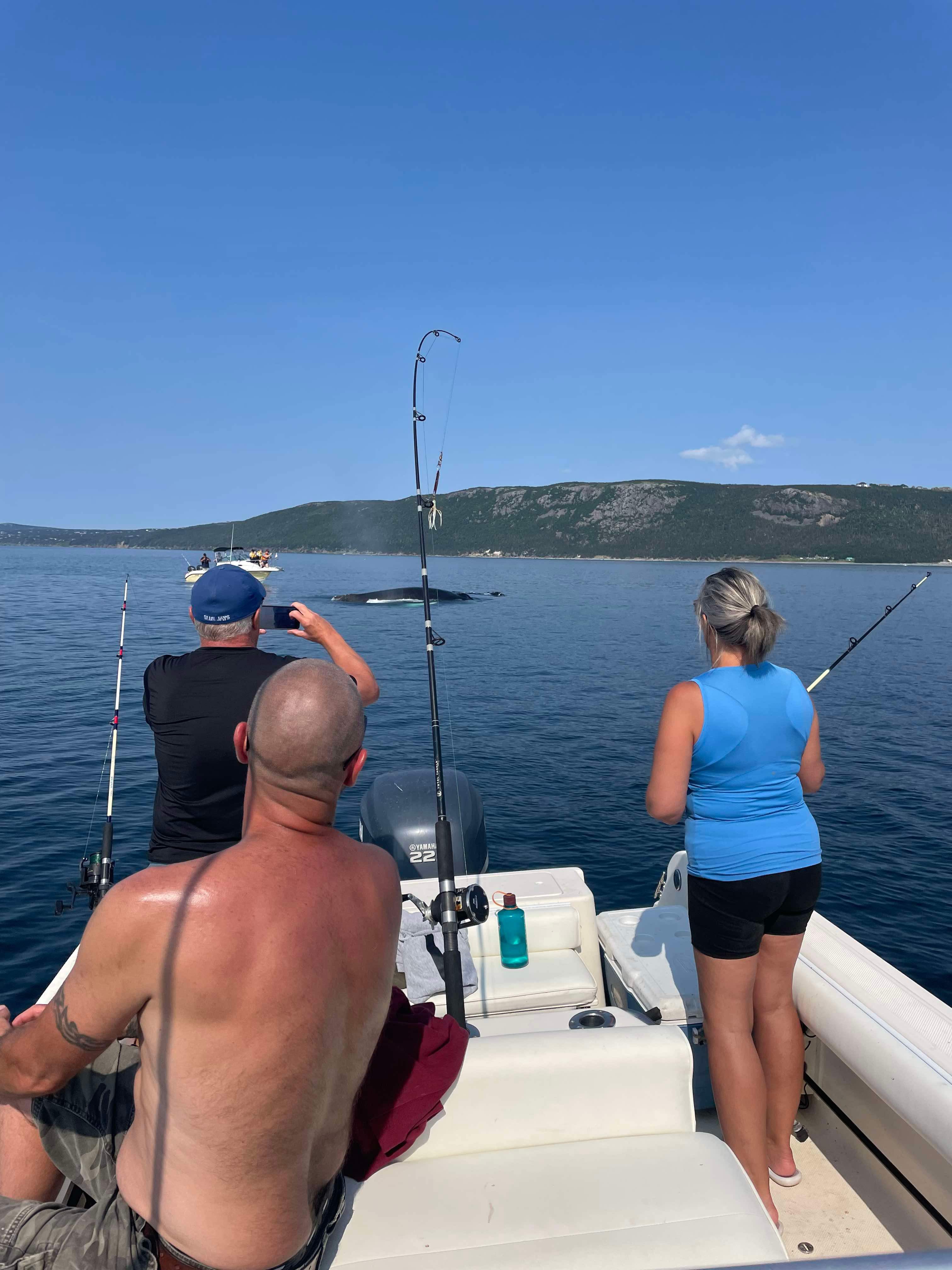
There are days and then there are days you’ll remember for the rest of your life. Earlier this week we had one of “those days”.

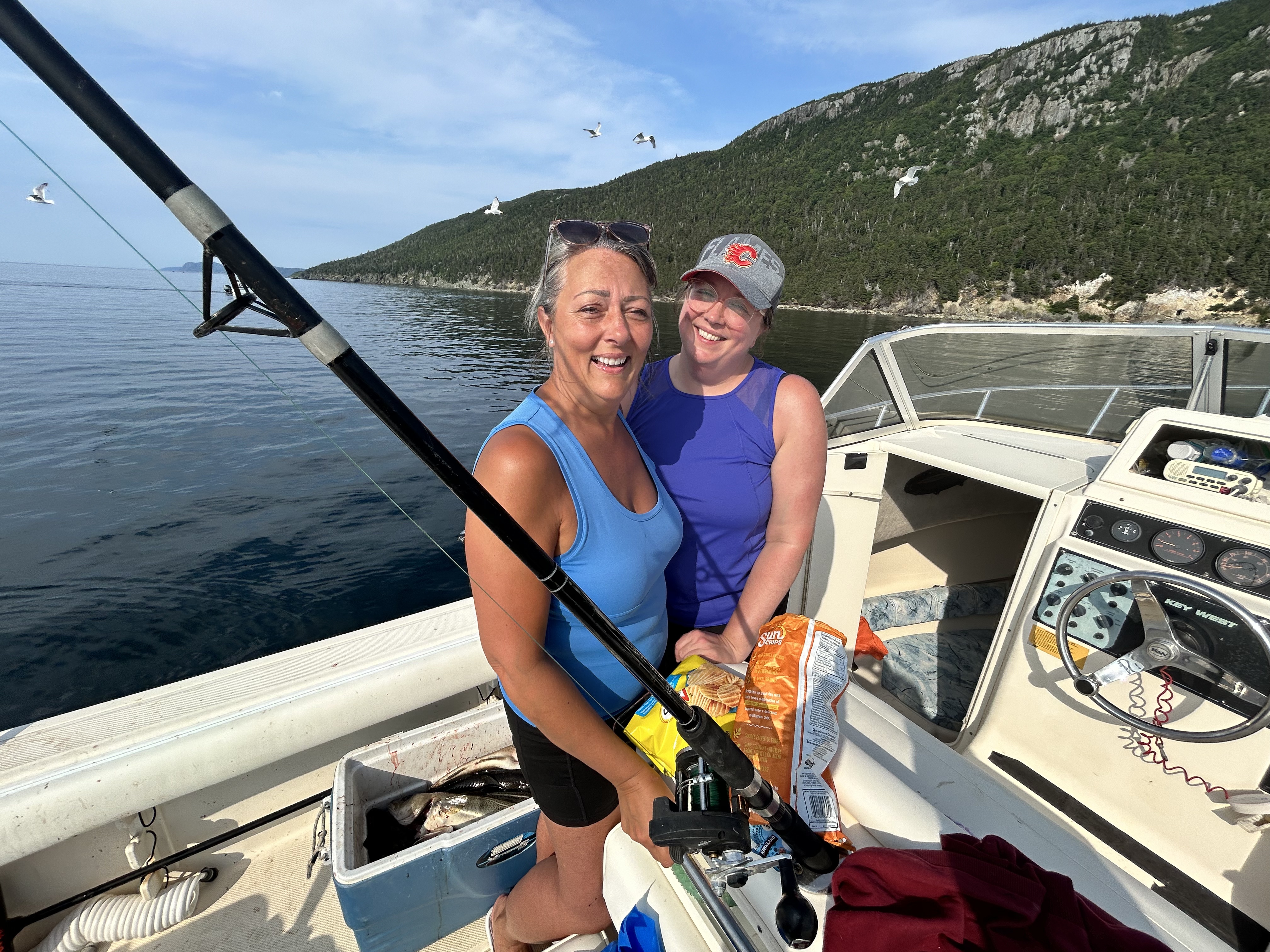
It began with a call from friends. They were out on the bay in their boat, and would we like to go fishing?

It was a rare summer day for these parts, sunny, 25 degrees and calm out on the water.

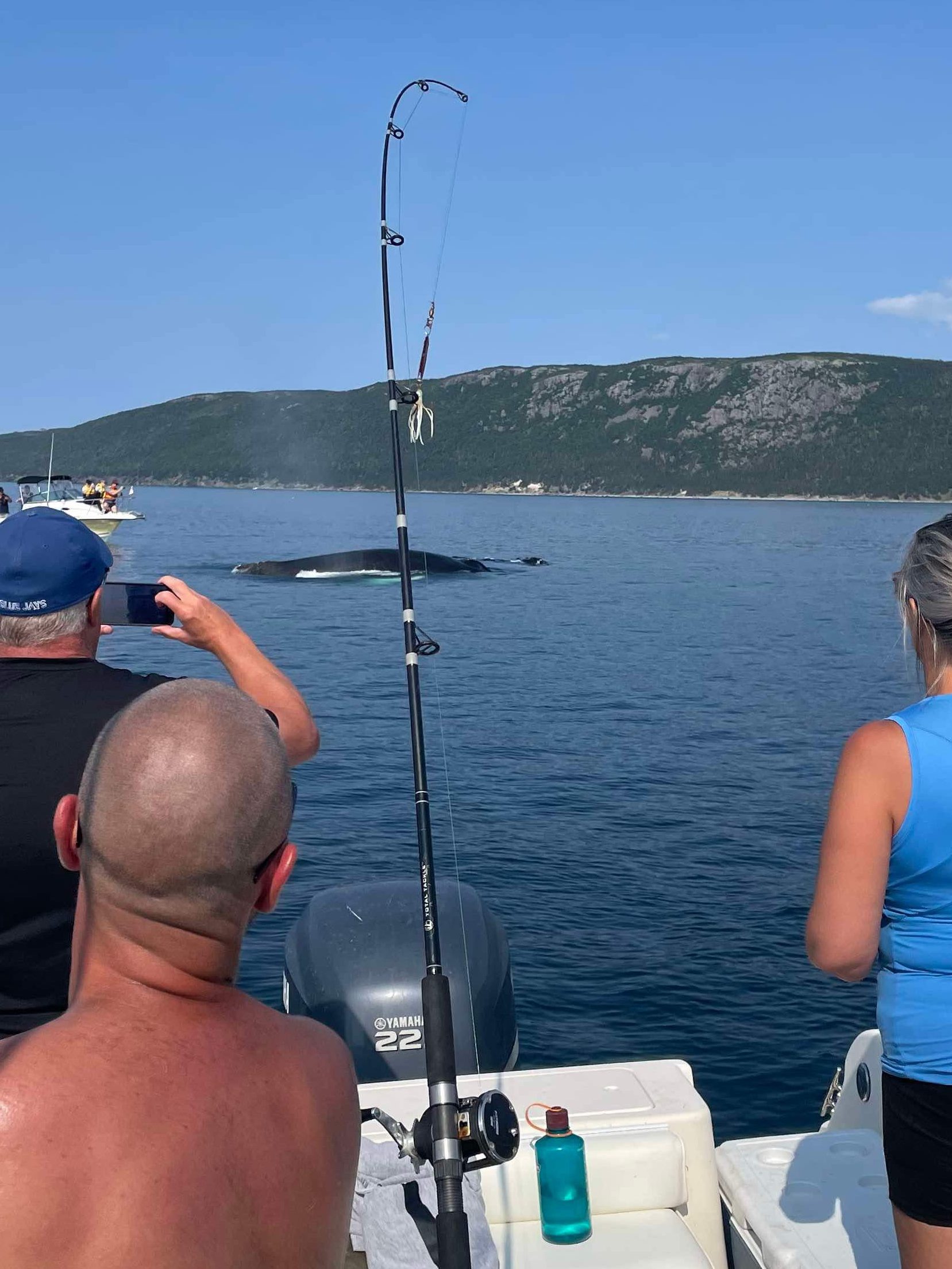
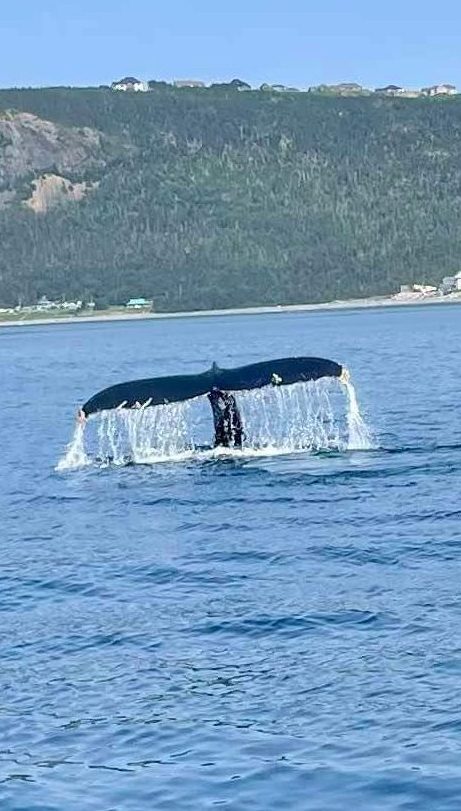
Humpbacks feeding in Conception bay/ photo Tammy Hardy MacDonald

We jumped aboard with our friends, Jeremy and Tammy and sailed out toward Topsail Beach. When we got there, we joined a small flotilla of motorboats, sailboats and kayaks. Strangely, only a few seemed to be fishing. They were distracted by one of nature’s best shows. The whales were in.

At this time of year, the humpbacks swim closer to shore, lured in by the schools of tiny capelin

At this time of year, the humpbacks swim closer to shore, lured in by the schools of tiny capelin which fill the inlets and bays at this time of year. The cod also feed on capelin, bringing humans, fish, and whales into the same space.

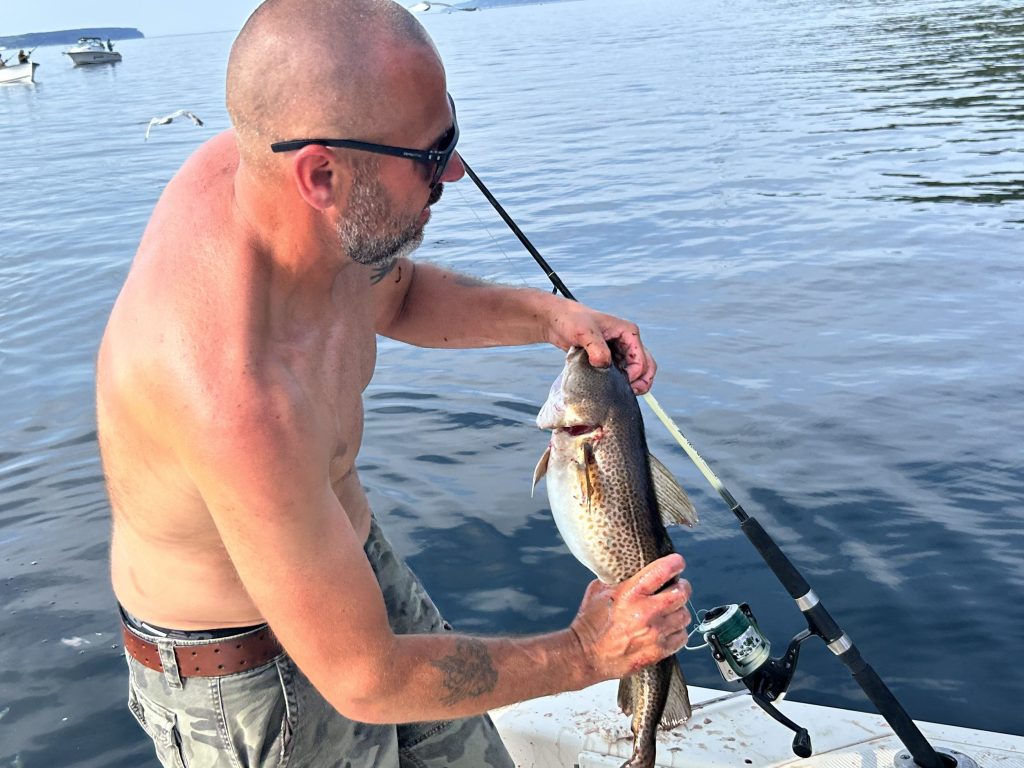
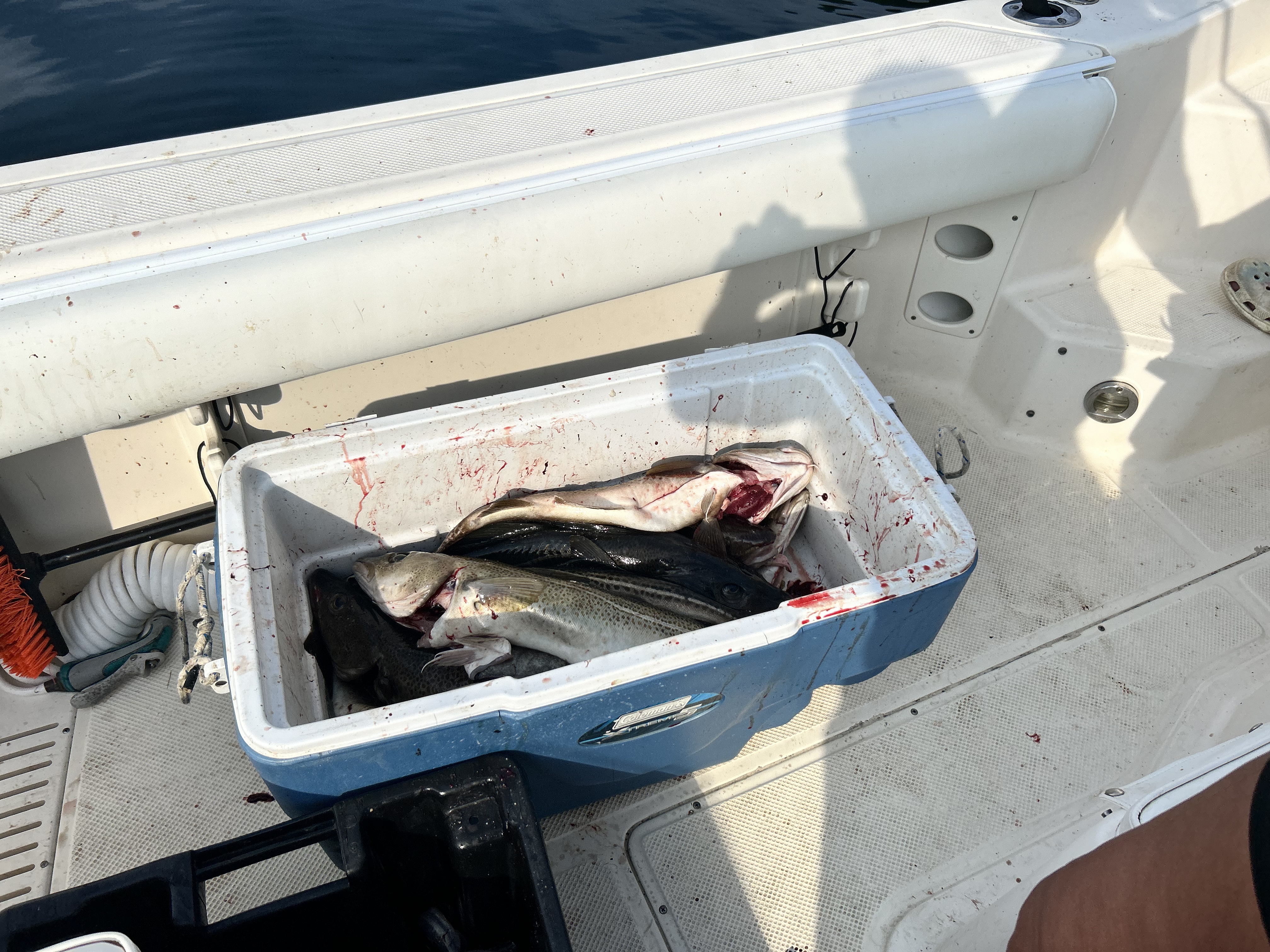
At the end of the day, we tore our eyes away from the show and caught our quota of five cod each.

the free entertainment was unforgettable

The fishing was fun, but the free entertainment was unforgettable. Thanks to the humpbacks and our friends Jeremy and Tammy and for a great afternoon.

Hockey in the desert

This is a piece I produced for Hockey Night in Canada years ago. It’s about the role several Canadians played in the birth of ice hockey in the Persian Gulf country of Qatar.

A few years after this piece aired, Qatar built its first full-sized hockey arena.

https://www.facebook.com/plugins/video.php?height=458&href=https%3A%2F%2Fwww.facebook.com%2F100054258860258%2Fvideos%2F196816913852307%2F&show_text=false&width=560&t=0″

A first visit to the Somme, and a family that did its part

The Somme 2014

It is ten in the morning, we’re not half an hour into our tour of the Somme battlefields and I am already in tears.
This morning started with an unexpected twist. Our tour guide showed up at the hotel and told us there had been a change of plans.
The original tour guide had been called back to England to tend to a sick relative. The man in the lobby was the substitute guide and “would we mind if we took the tour with two Australian couples?”

We didn’t mind at all. So we climbed into the back of the van, introduced ourselves to the two Aussies and away we went.
Our tour of Canadian and Newfoundland sites had become a tour of Australian, Canadian and Newfoundland sites. Our goal of course, was to see Newfoundland Park and the battlefield at Beaumont Hamel. But we had a couple of stops to make first.


“Twenty minutes later I found myself standing in the middle of a farmer’s field crying my eyes out.

So that’s how twenty minutes later I found myself standing in the middle of a farmer’s field crying my eyes out. We’d climbed out of the van at the Australian Memorial. From the Memorial you can see the tiny village of Pozieres. Such a peaceful setting on a late summer morning. But then our guide explained that the Australians suffered terribly here. In the summer of 1916, 23,000 men were killed or wounded trying to take the little village on the ridge. That’s enough men to fill Toronto’s Air Canada Centre, with two thousand left over. Basically the field between the Memorial and the village is one massive graveyard. The thought of that is is what brought me to tears.

The Picardie region of Northern France is lovely. For centuries it’s been the breadbasket of Europe. It’s hard to picture such a beautiful region churned to poisonous mud by tonnes of high explosives. Even harder still to imagine the remains of so many young men buried not far away, under the fields of sugar beets and potatoes. But a hundred years later, the War To End All Wars keeps coming to the surface. Besides the graveyards and memorials large and small, the landscape has a habit of reminding you.

The community museum in nearby Albert is full of the rusted belt buckles, insignias, helmets, rifles and other reminders that are ploughed up every spring by farmers.
There’s also plenty of evidence of more dangerous souvenirs. As our tour continues we slow down to look at something piled up on the road’s edge. It’s a cairn of unexploded shells, five or six of them. They’ve been daubed with paint. Apparently, the colours signify whether they’re shrapnel, high explosive or poison gas shells. In this beautiful corner of France, even in the twenty-first century, there’s no escaping the war.

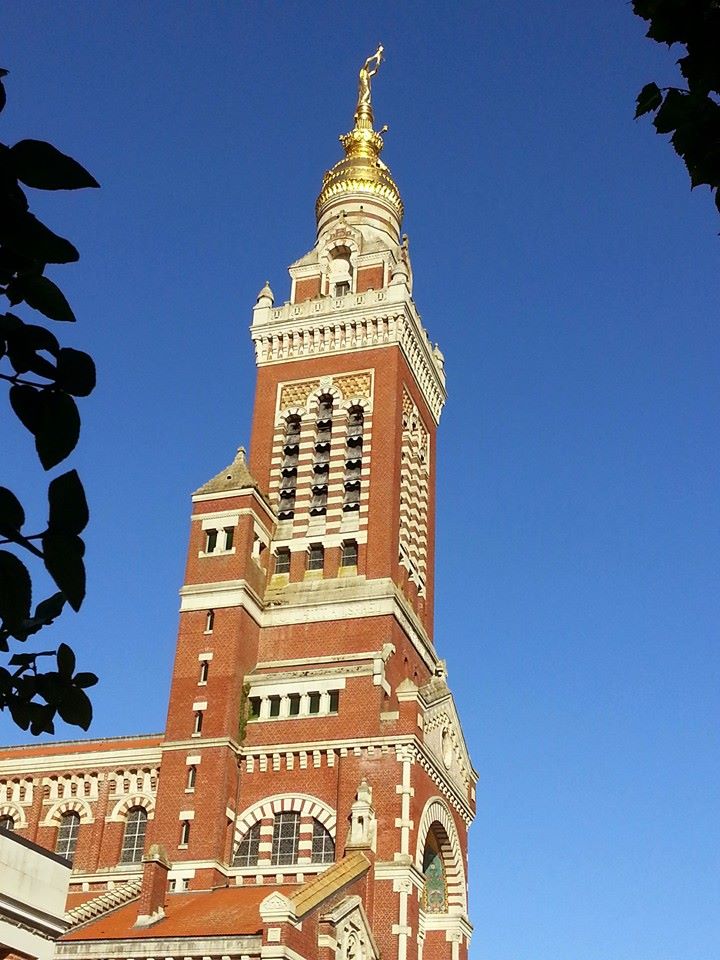
The famous church steeple in Albert. It was hit by shellfire during the war. The community museum is underneath the church.
Photo; Jonathan Crowe

This trip is a bit of a pilgrimage for me. I was born fifteen years after the end of the Second World war. Like so many boys my age, the wars were a fascination. My English granny used to send me the UK comics, Boy’s Own, Hotspur, Commando. To say they glorified war is an understatement. To say they made my imagination run wild is also an understatement.

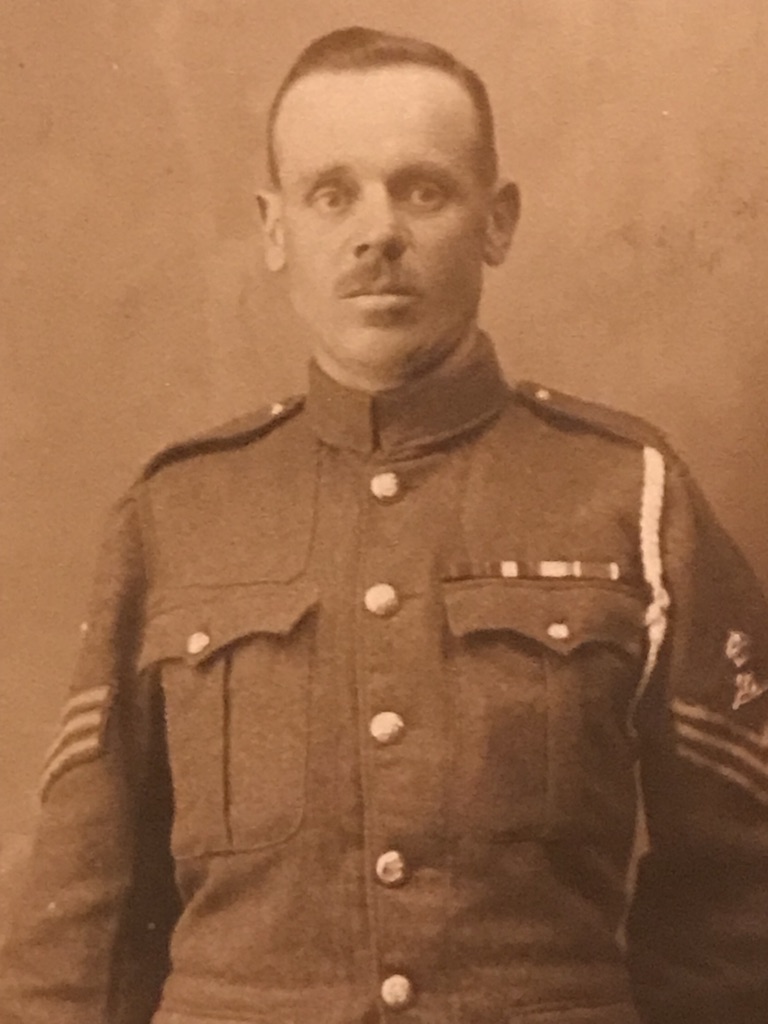
My granny Brunskill never threw anything away. In her living room cabinet, among the old seaside postcards and newspaper clippings were two sets of First World war campaign medals. Every returning soldier came home with the 1914-18 Star, the British War Medal and the Victory medal.
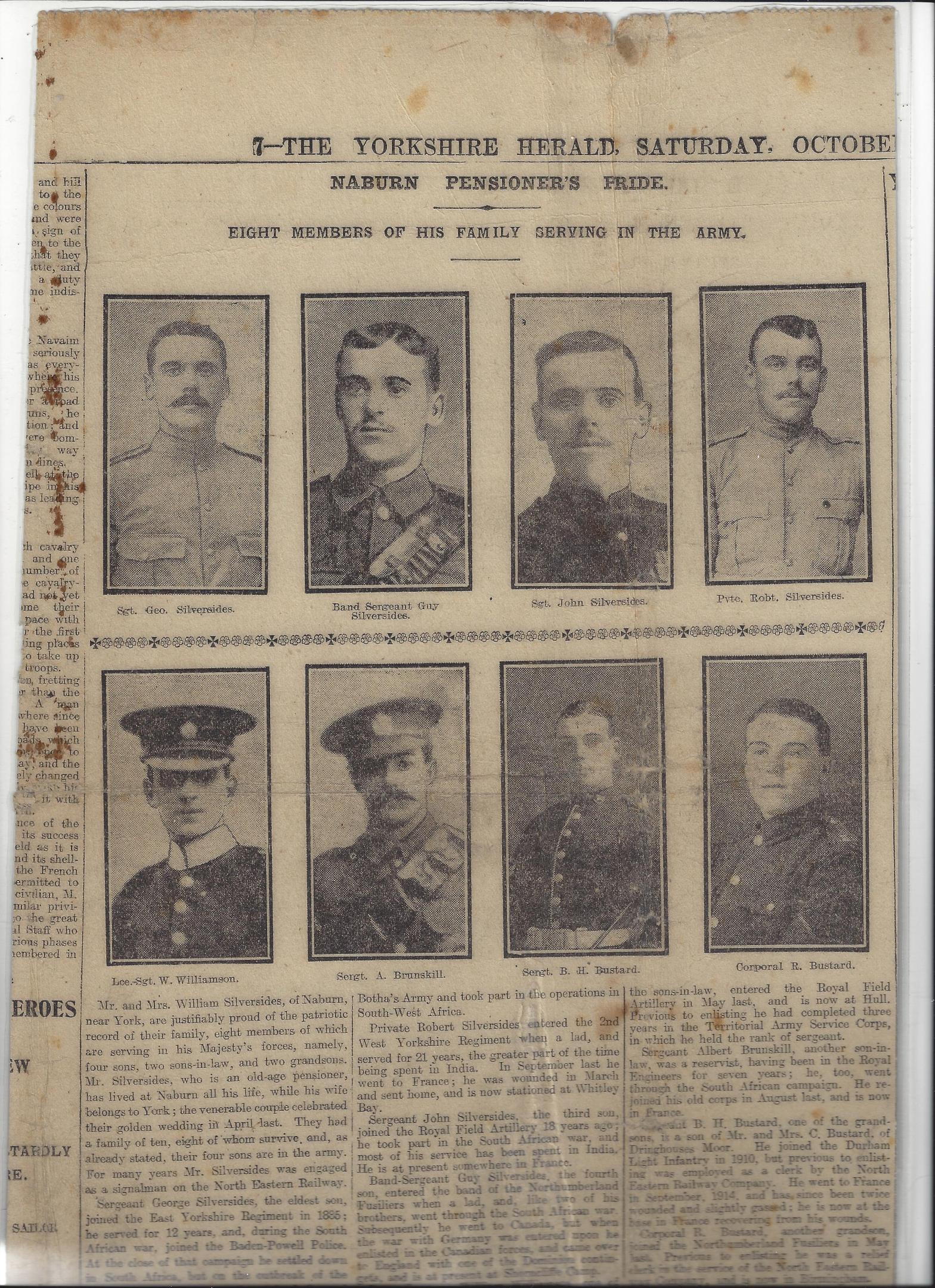
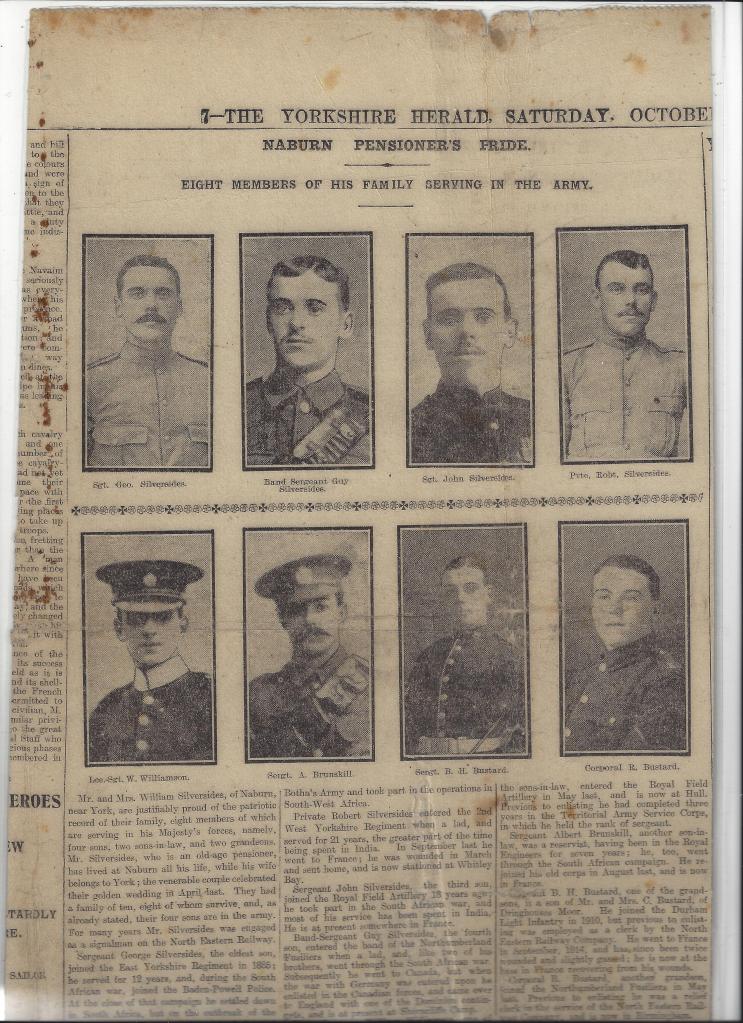
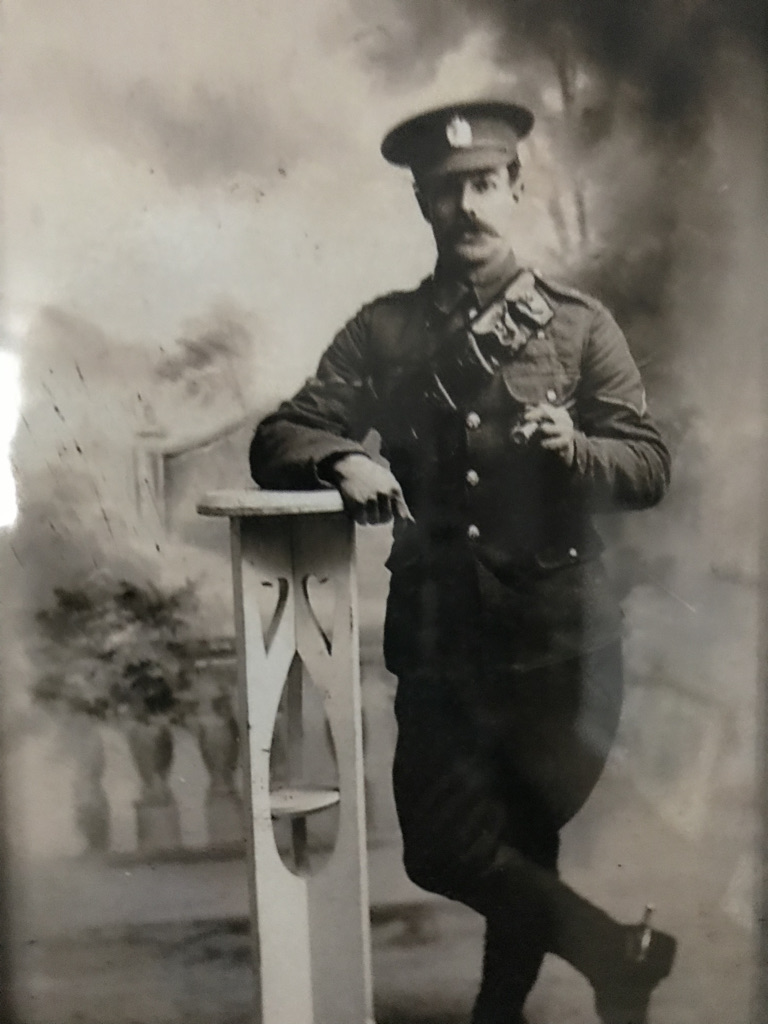
Another treasure is a full page clipping from the Yorkshire Evening Post. The headline reads “Naburn Pensioner’s Pride, eight members of his family serving in the British Army”. Bustards, Brunskills, Wiiliamsons and Silversides-they all served in France and they all came home.
George, Robert and Guy Silversides were already army veterans, having served in South Africa and India.

Robert was wounded in France and sent home. Corporal B.H. Bustard of the Durham Light Infantry enlisted in 1910. The article casually observes that he went to France in 1914, was wounded twice and slightly gassed.

The eight members of my extended family who served. They all came home

“The war was a chance to see the world, and off they went.”

This was my family’s contribution to the Great War. They were in so many ways typical of he men who went to fight in France. Those that weren’t career soldiers were railwaymen, farm labourers and domestics. The war was a chance to see the world, and off they went. Pushed into the first big war of the twentieth century. The war where flesh and bone and nineteenth century tactics met twentieth century industrialization head on, and lost every time. So many marched into the meat grinder of Gallipoli, Mons, the Somme, Ypres, Vimy Ridge.

My family members went home, dealt with whatever trauma they’d endured and got back to doing what they could to feed their families. I was never able to sit down with any of these men. They were long gone before I arrived. But the war must have left a mark on them, just as it did on millions of men and women the world over.

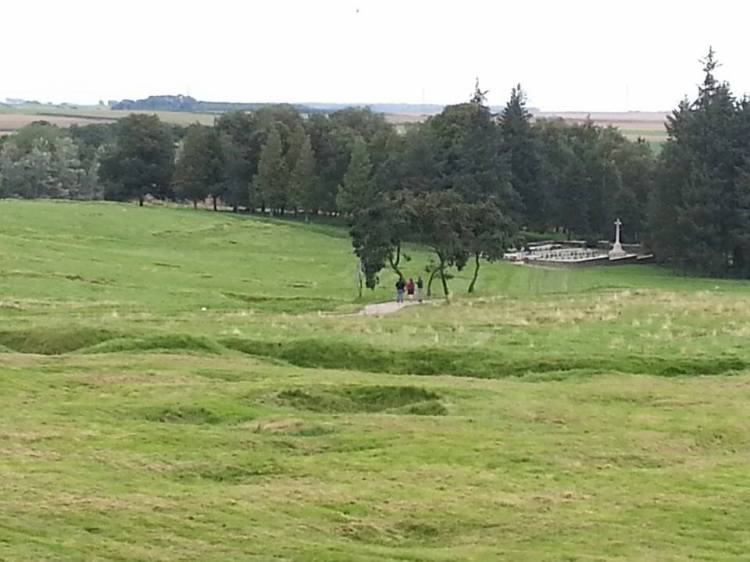
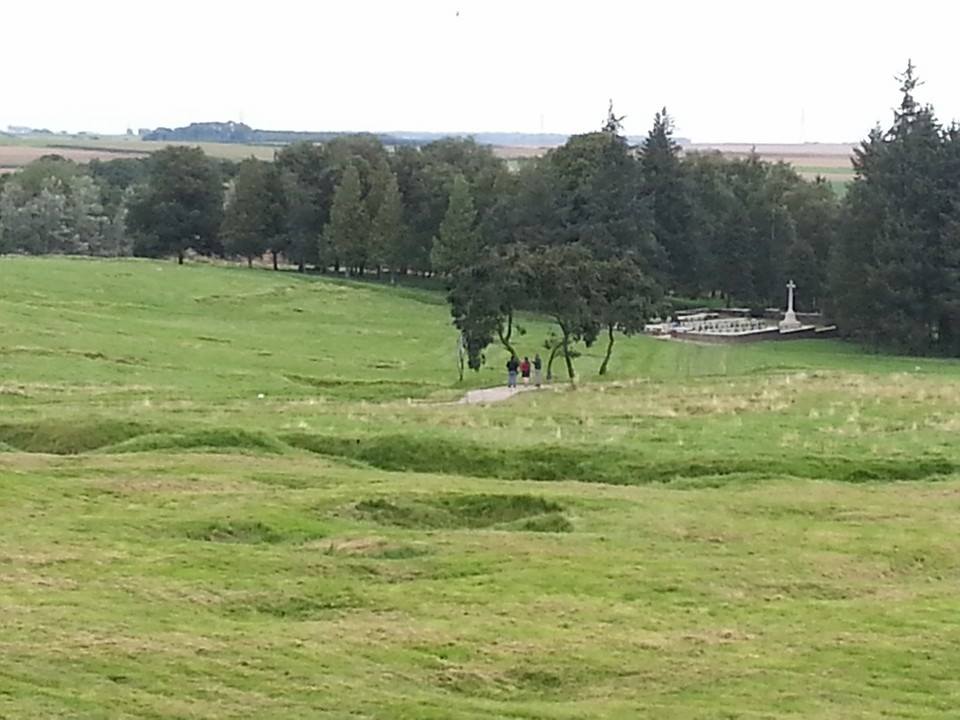
So much goes through your mind on a tour of the battlefields. My adopted home is Newfoundland and Labrador. Just down the road from Pozieres is our Memorial- Newfoundland Park. It was here on July first, 1916, that the Newfoundland Regiment was just about wiped out. The fields surrounding the park were reclaimed by the farmers long ago. But the park still carries the old scars. of battle.

Newfoundland Park still bears the scars of battle.
Photo: Jonathan Crowe

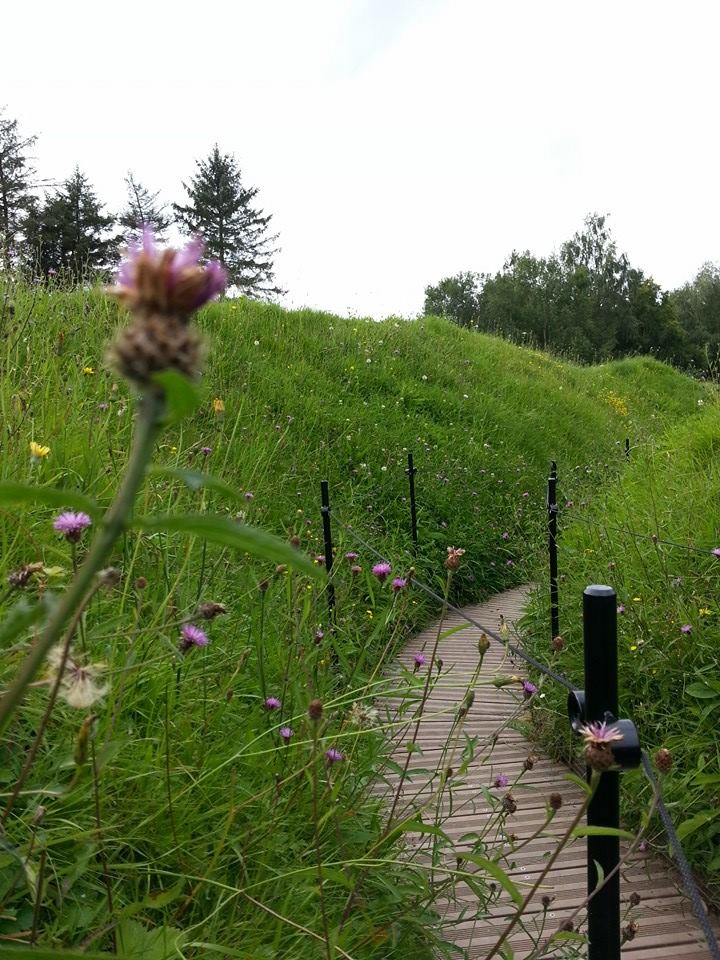
The trenches are still here, their outlines rounded by the decades and softened by flowers and grass. The shell holes have also been softened over time. Here and there, large areas of land are cordoned off. There are unexploded shells under the grass, I am not a religious man but if there’s ever a place to have a religious experience, this is it. Newfoundland’s role in this battle lasted half an hour, but that 30 minutes wiped out the regiment. 801 men went over the top. Just 68 were around to answer roll call the next day.

Historians argue that Beaumont Hamel took the province’s best and brightest, that the province never fully recovered.
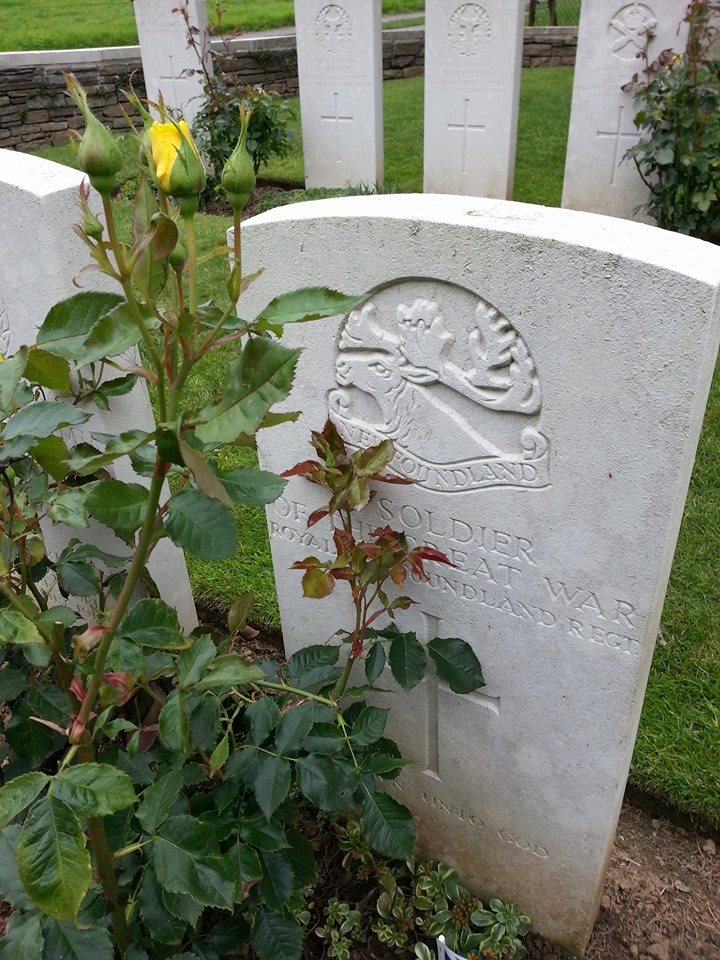
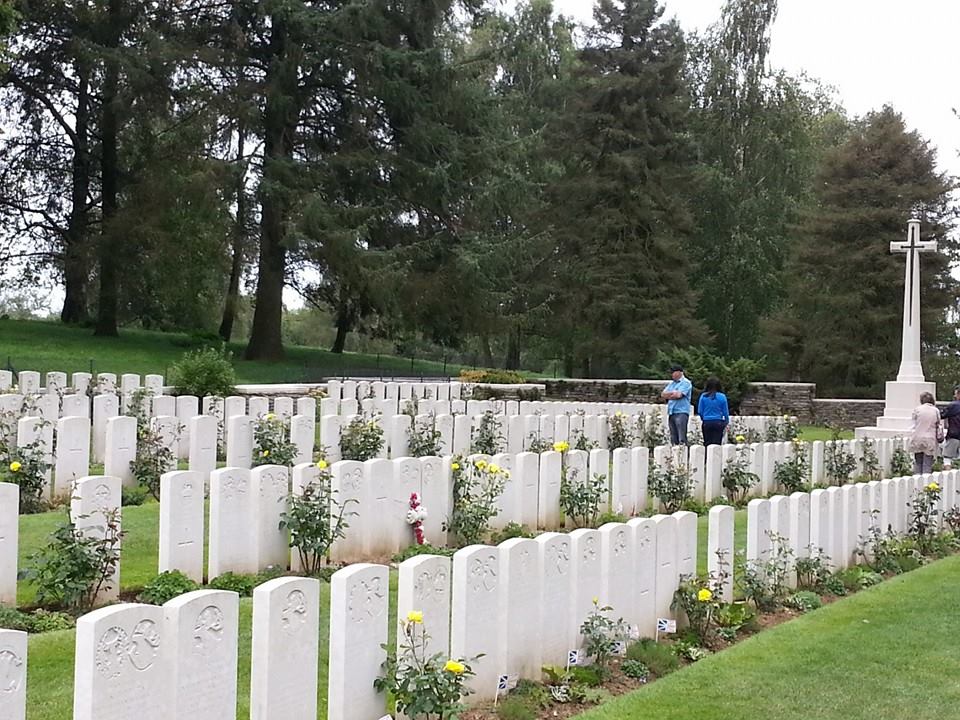
There’s a lot of time to think about that as you stroll around the park and read the names on the dozens of headstones.

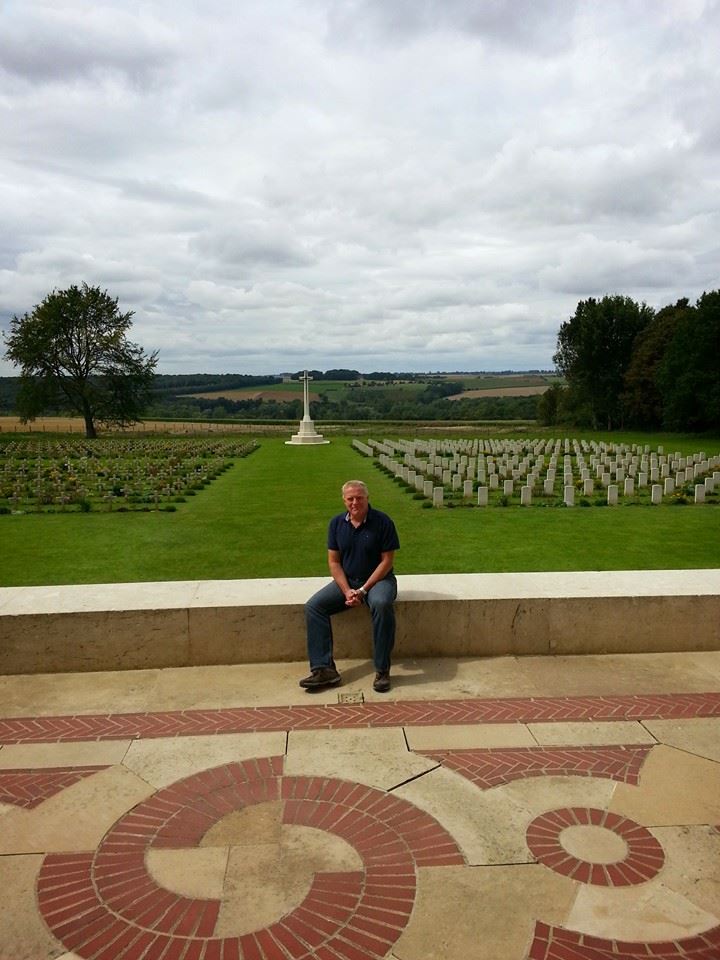
The graves of Newfoundlanders at Beaumont Hamel.
Photo: Jonathan Crowe

Newfoundland’s experience is a small example of how this “war to end all wars” shaped the world that we live in now. The Great War reshaped, reset, and dissolved great empires. The Ottoman Empire ceased to exist, the Romanov dynasty gave way to communism. The Treaty of Versailles redrew the maps of Africa and the Middle East.

“..the idea of a war to end all wars proved to be a cruel joke.”

And the idea of a war to end all wars proved to be a cruel joke. A corporal from Austria survived the First World War and twenty years later, led Germany into the next.

War spawned war. The second World War, Korea, Vietnam, The Six-Day War, Rwanda, Iraq, Afghanistan. All in some way the direct or indirect product of that first great war of the 20th century.

There’s a field of study that says trauma is handed down through our DNA. So where does war figure in all this? Like buried bombs, rusty bayonets and belt buckles, it has a way of pushing itself to the surface.
On our last evening in France I was reminded of that by a man we’d met in the local brasserie in Albert. Jean Simon is a retired veteran of the peacetime French army. He’d served with NATO in Germany before an accident put him in a wheelchair.
At the end of an evening of good food and calvados, Jean apologized that he didn’t speak English. Jean added that he spoke fluent German. The story goes that when he was a boy his father made him take lessons. The reason was pragmatic. “After all”, said Jean Simon,”Les Allemagnes have a habit of invading us every twenty years or so.”

Hockey

As a nine-year-old immigrant to Canada, I wanted to become as Canadian as possible, as quickly as possible. It started with hockey. I learned to skate on the outdoor rink down the street, and joined organized hockey at the age of ten. I was huge for my age and my lack of skating ability meant that I stood out like a sore thumb on the ice.

At first, hockey was not kind to me. I remember the humiliation of being picked last out of about 300 kids when the coaches selected their teams for the mosquito division of Sept Iles minor hockey. But I persevered and played the game for 50 years until Covid hit in the winter of 2019-20.

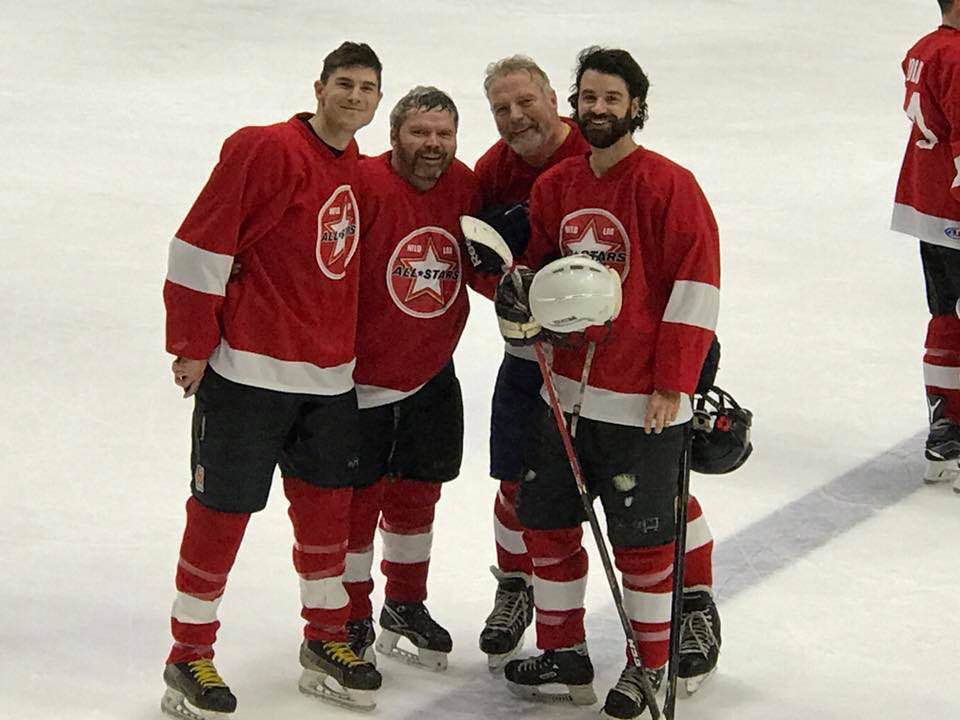
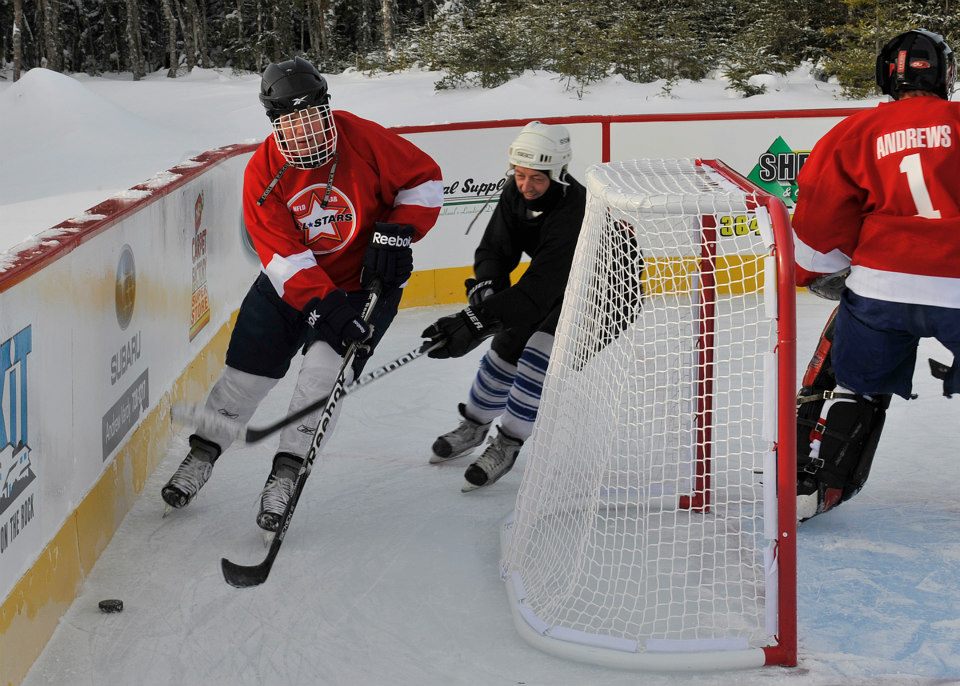
I’ve never been the greatest player, but the game has given me some great fun, great experiences and great friendships.

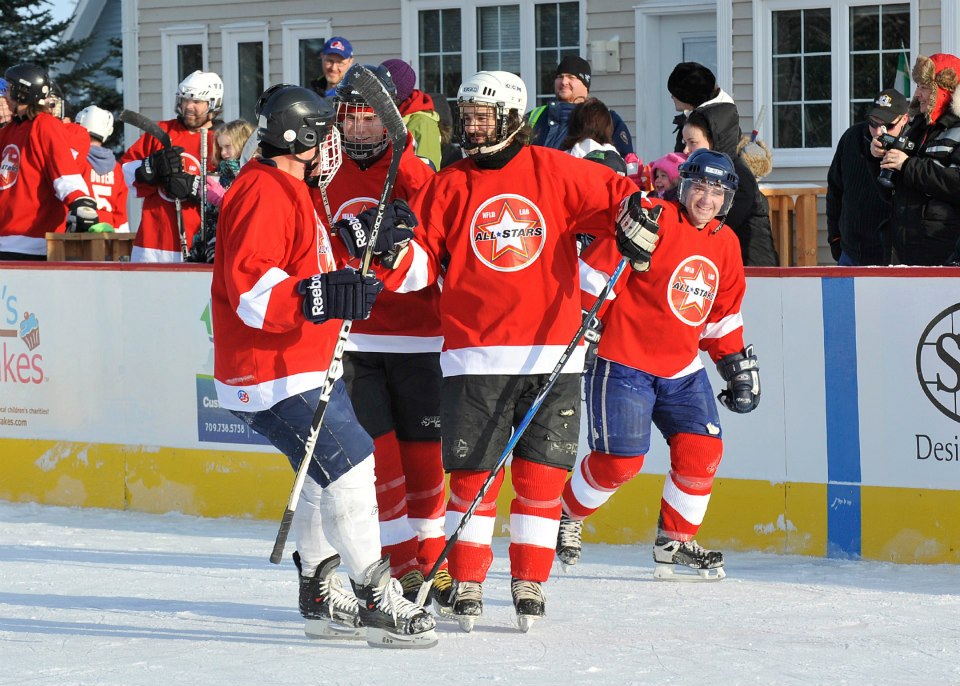
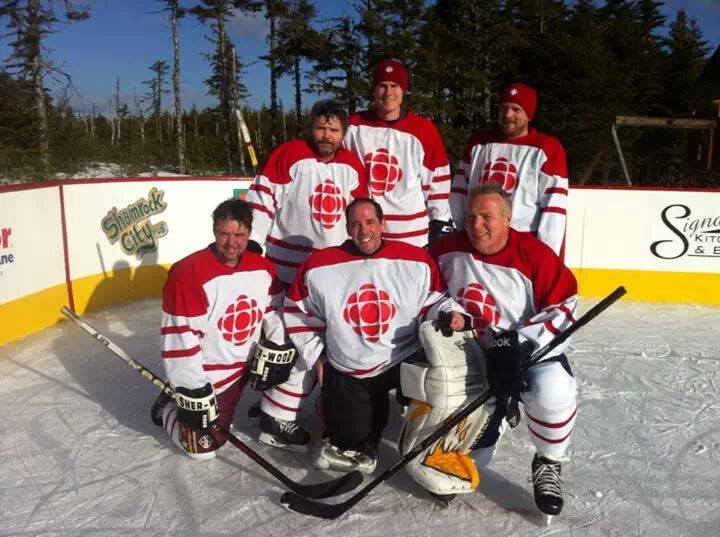
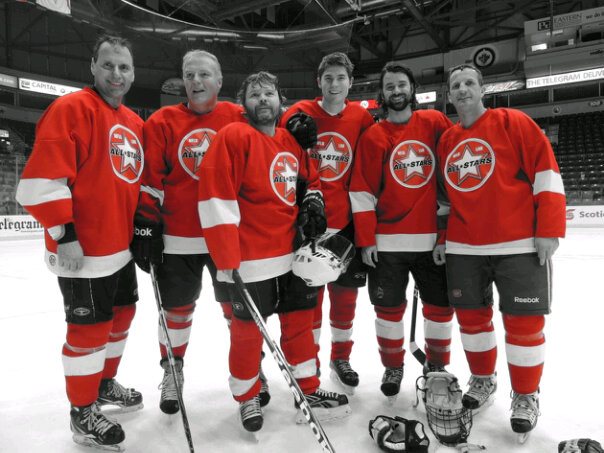
With Ryan Snoddon, Paul Pickett, and Philippe Grenier
Celebrating a goal with CBC comrades Ryan Snoddon and Philippe Grenier

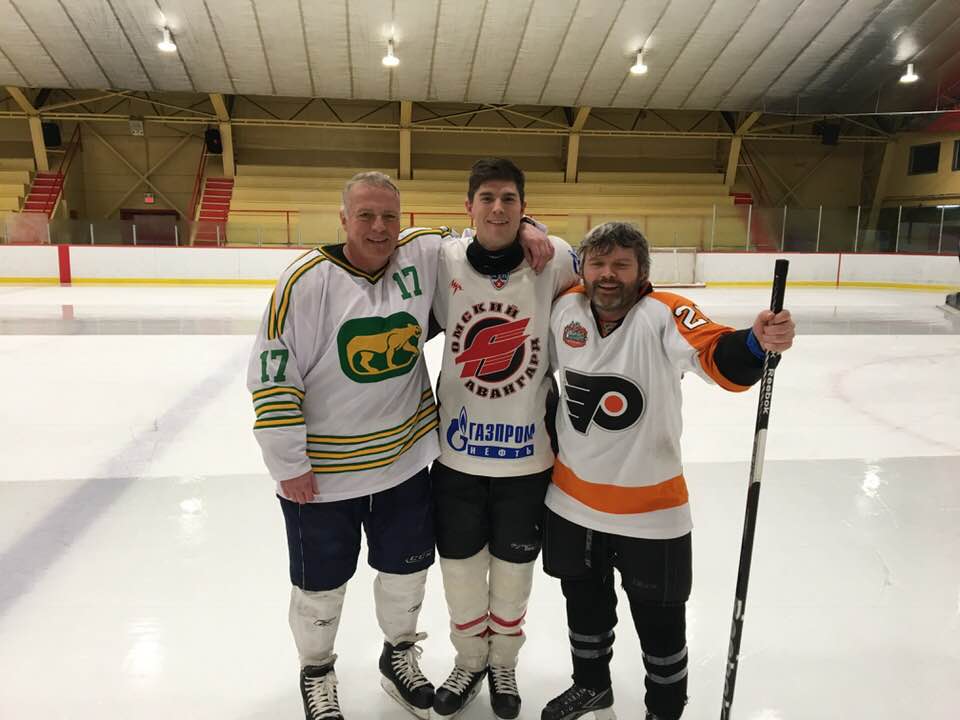
The. night we played with the Habs.

The night we skated with the Habs. Former Canadiens Gaston Gingras (far left) and Guy Carbonneau (far right)

Here’s a CBC story I wrote several years ago about my love of the game and how it kickstarted my career in journalism.

https://www.cbc.ca/news/canada/newfoundland-labrador/how-jean-b%C3%A9liveau-helped-launch-my-career-1.3040792

Where the game began

For many of us, hockey began outside. There’s nothing like a game of shinny on a pond or an outdoor rink. For several years, I painstakingly maintained a rink in my backyard in central St. John’s. No mean feat in the erratic east coast winter.

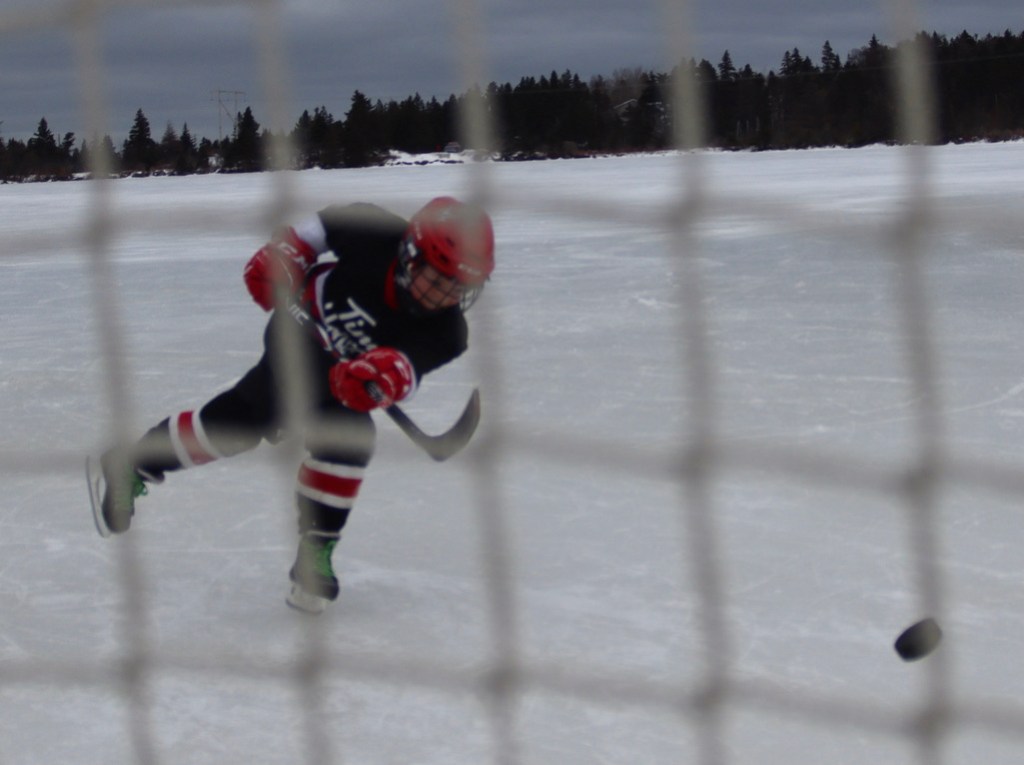
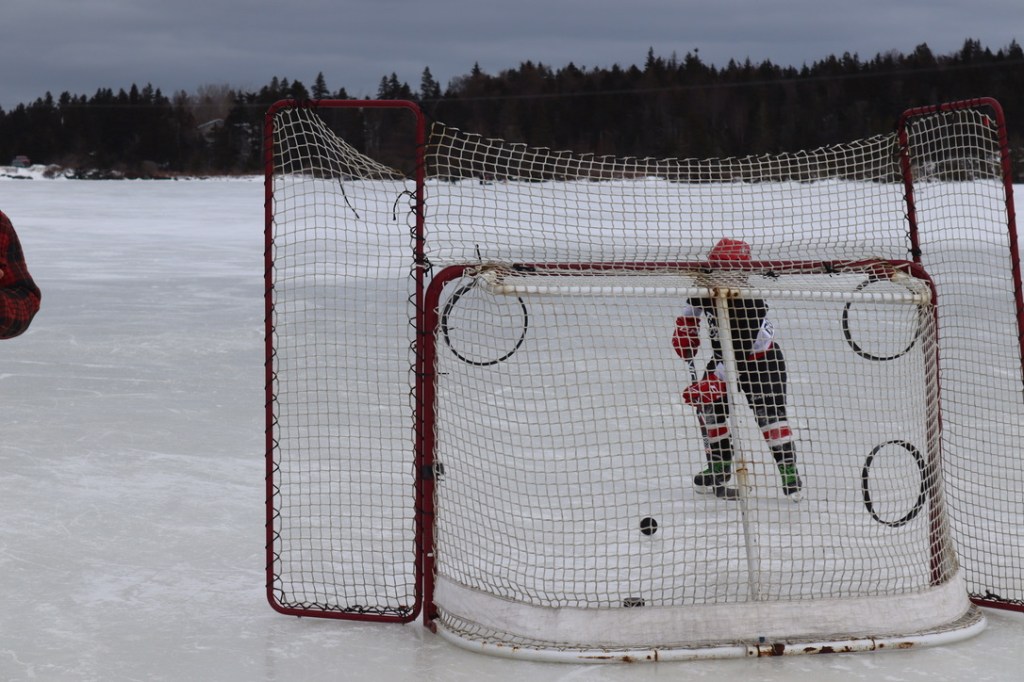
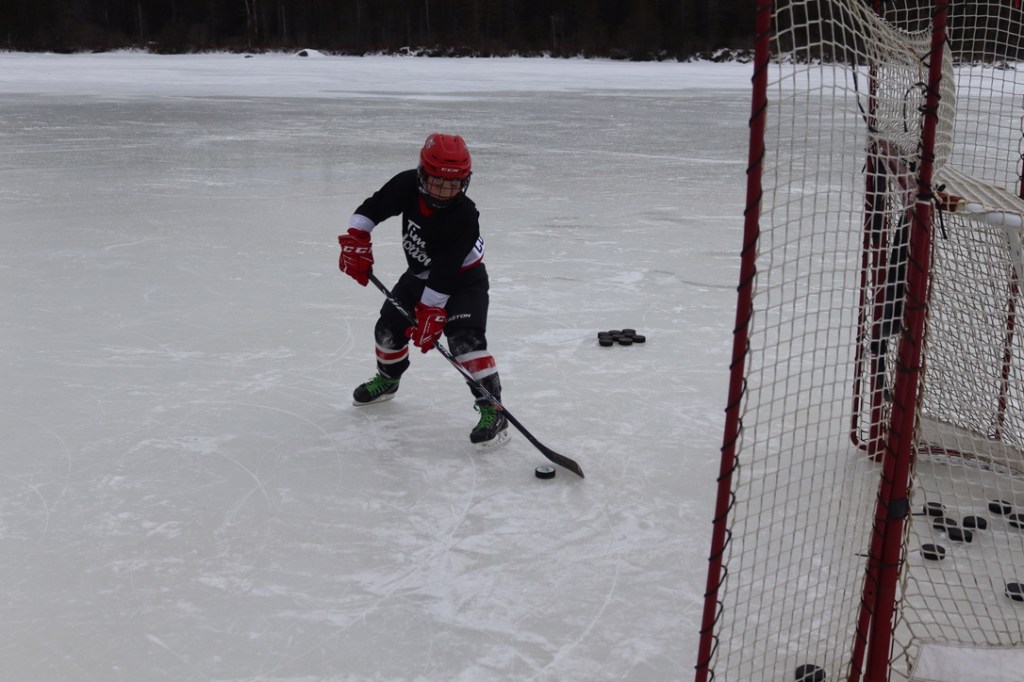
A boy and his dad

Last winter I came upon this scene near Conception Harbour, a boy and his dad playing hockey on the pond outside their house. I asked him if he’d mind me snapping a few photos.

A memorable trip to France and Belgium on the 100th anniversary of the end of The Great War

Photos by Frank Gogos

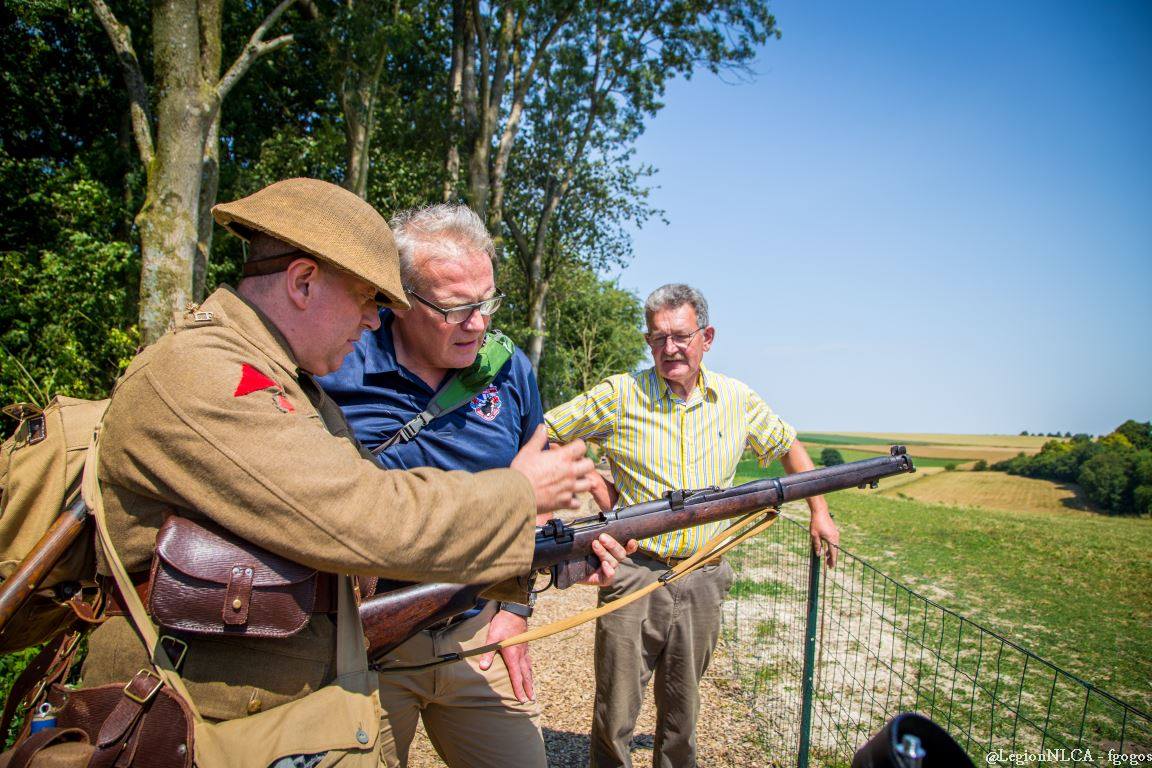
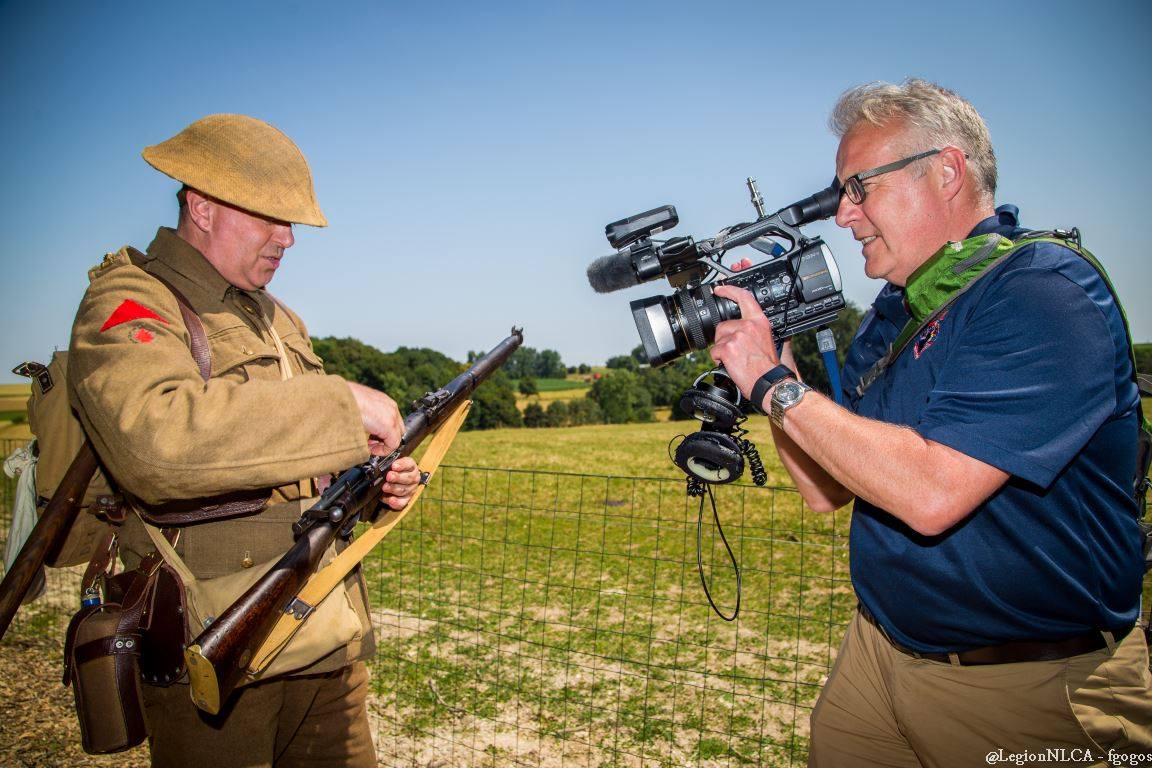
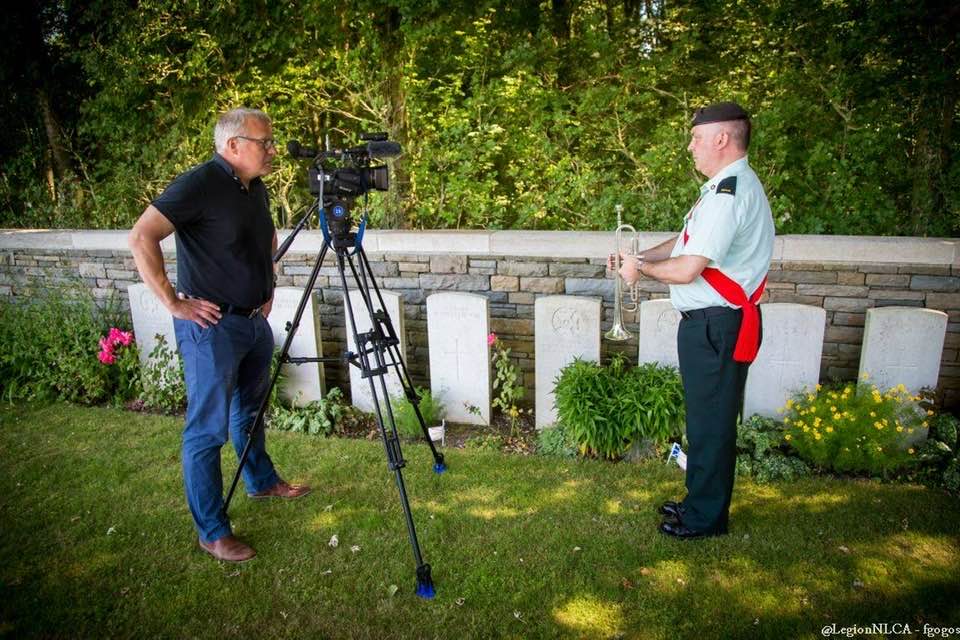
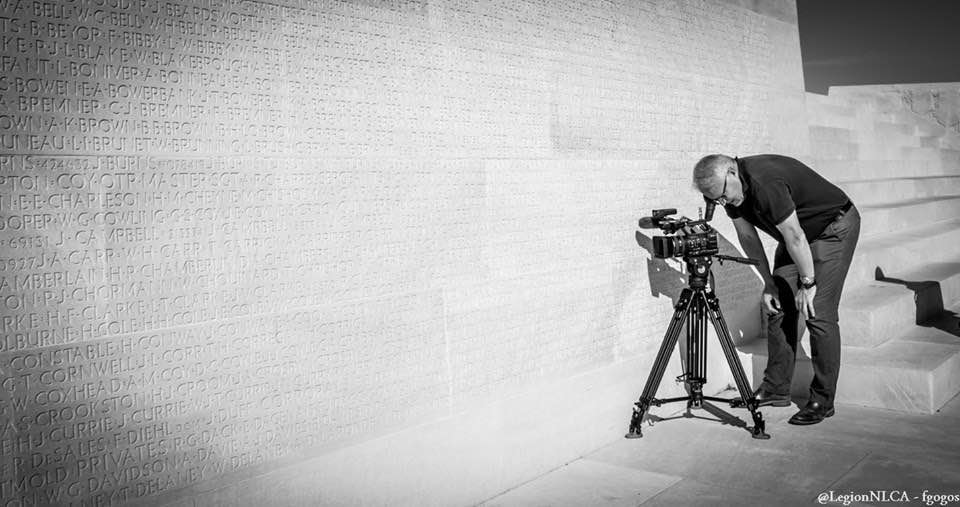
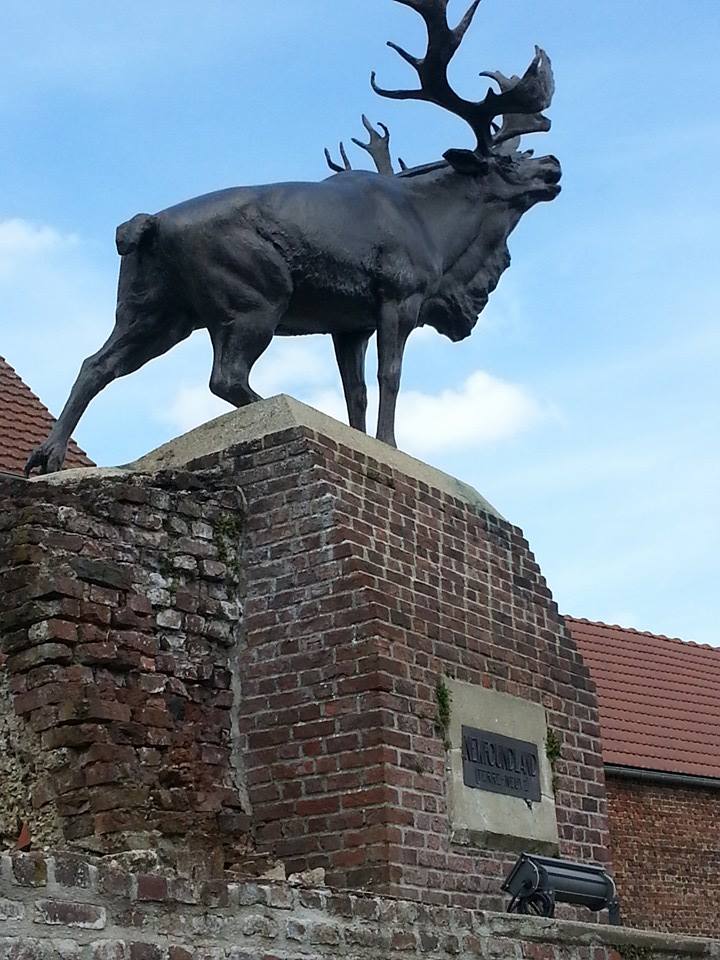
In June 2018 I was lucky enough to travel to the First World War battlefields of France and Belgium with a group from the Newfoundland branch of the Royal Canadian Legion and a group of high school students from across the province.

We were joined by celebrated First World War historian Andy Robertshaw. This is a series of videos I put together after our trip.

This first video takes us to back to the early morning of July 1 1916, the first day of the battle of The Somme.

Beaumont Hamel holds a special place in Newfoundland and Labrador’s history. It was here that the tiny Dominion of Newfoundland suffered a great tragedy on the morning of July 1, 1916. On the first day of the battle of the Somme 800 Newfoundlanders left their trenches and advanced on the German lines. The Newfoundlanders were wiped out. Only 76 answered the roll call the next day.

The battlefield has been preserved as Newfoundland Park and is a must-visit for Newfoundlanders and anyone with an interest in the First World War. Below is a tour we took in the summer of 2018.

On April 14, 1917, the Germans launched a major offensive near the village of Monchy All that stood in their way was a small force of Newfoundland troops. Historian Frank Gogos tells the story of what happened on that day.

Today Monchy is another stop on the Trail of the Caribou. Here are some scenes from a Remembrance ceremony attended by members of the Newfoundland and Labrador branch of the Canadian Legion in the summer of 2018.

In the early 2000’s I came across the story of John Shiwak. He was a young Inuk man from the coast of labrador who signed up to fight. His journey took him from his small community to the battlefields of France where he distinguished himself as a sharpshooter in the Newfoundland Regiment. This is a story I produced for CBC in 2002.

Courtesy CBC Newfoundland and Labrador

The battlefield at Beaumont Hamel.

people in the distance are standing near the site of the Danger Tree where so many Newfoundlanders were cut down.

Trench at Beaumont Hamel

Those who never came home.

Graves at Newfoundland Park

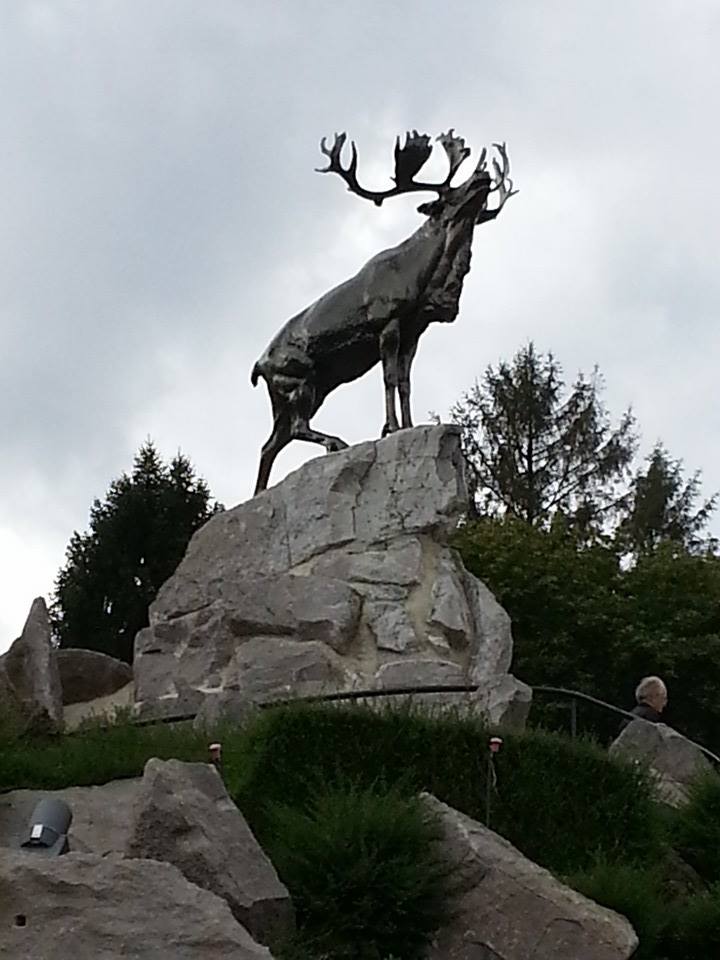
Sights and sounds from the Trail of the Caribou

Vimy Ridge

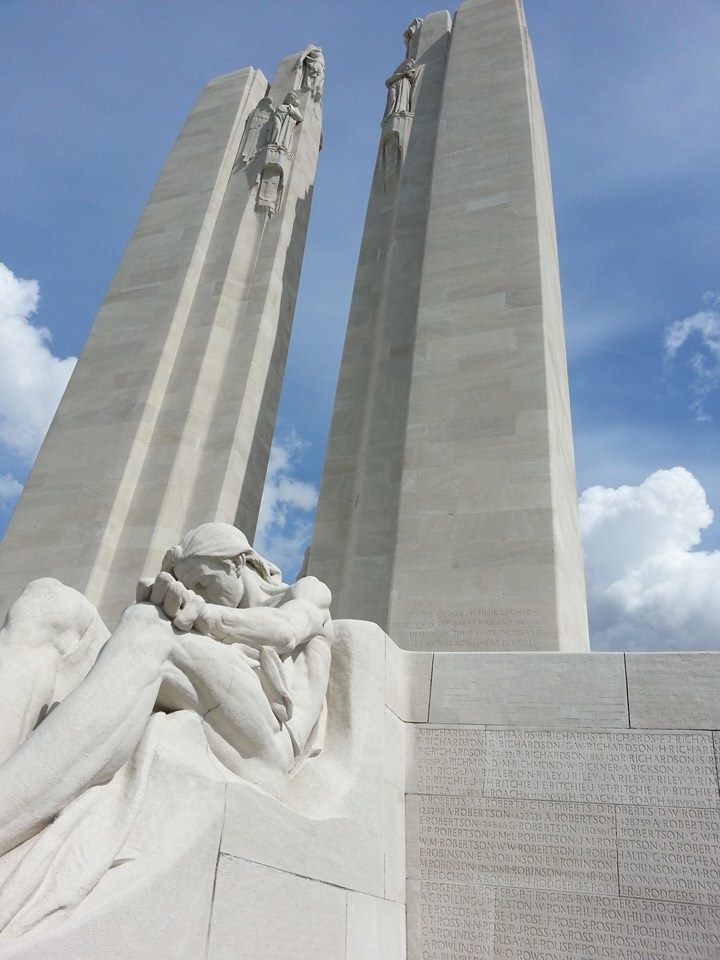
Vimy Ridge Memorial
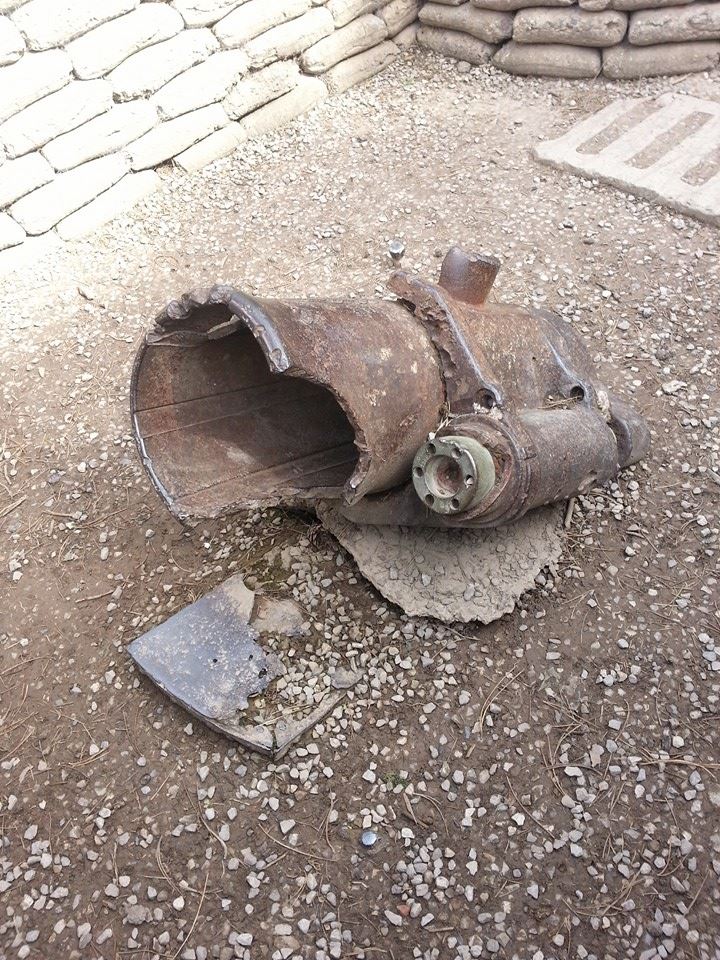
Trench mortar: Vimy ridge
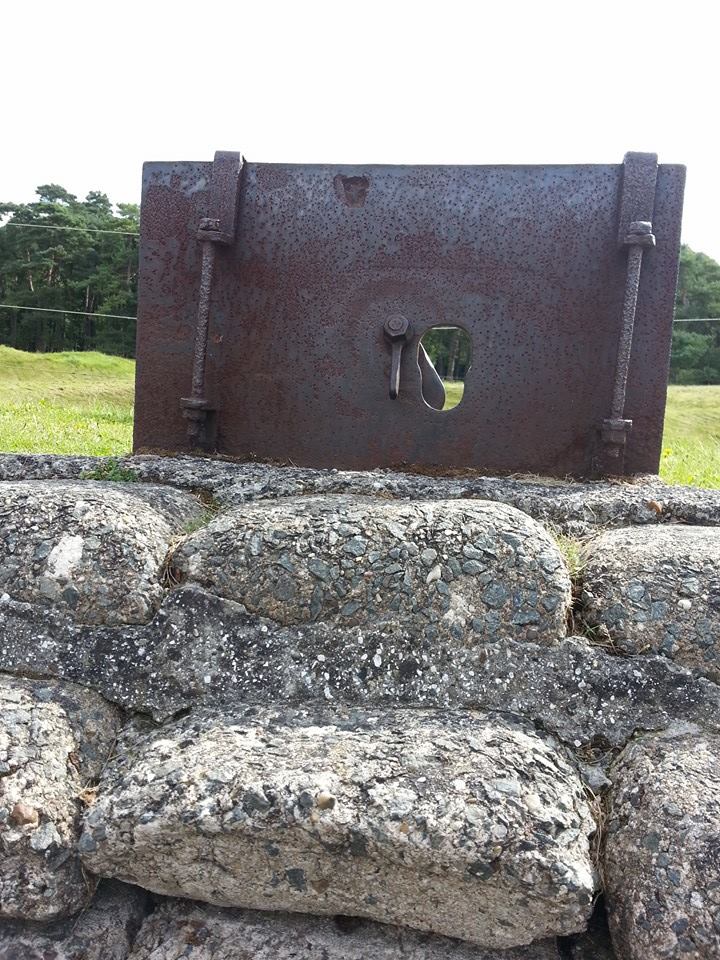
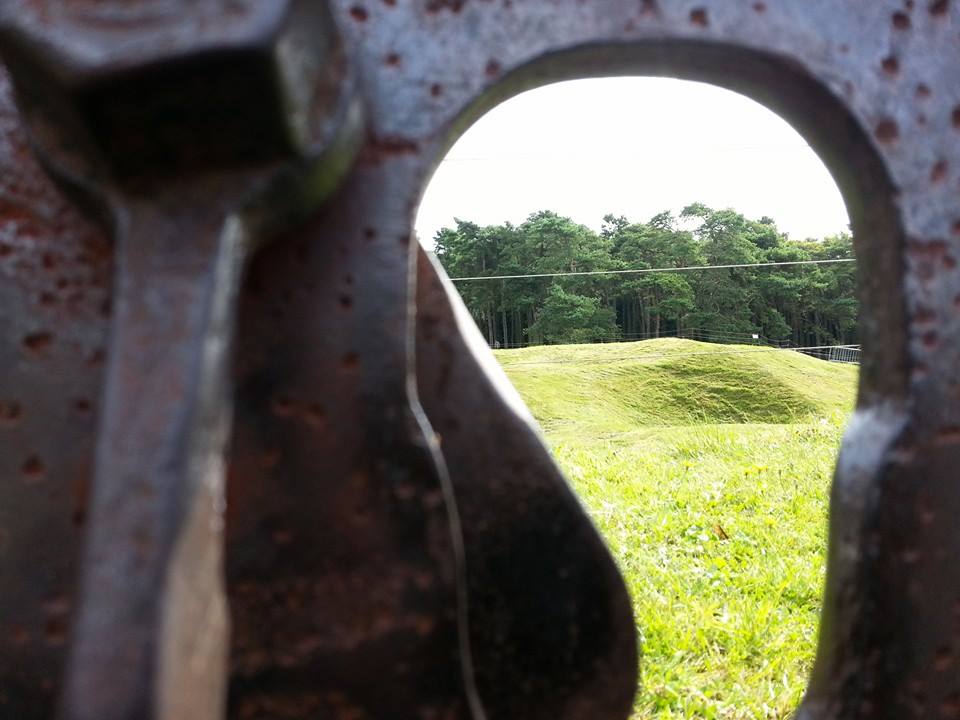
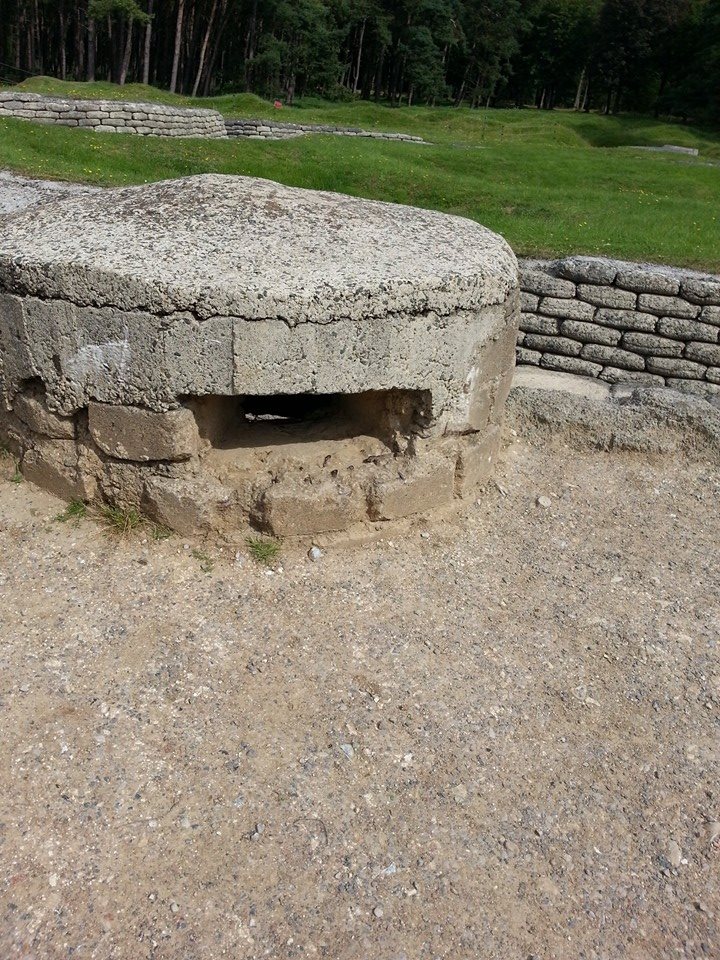
Gun port at Vimy
bunker at Vimy Ridge
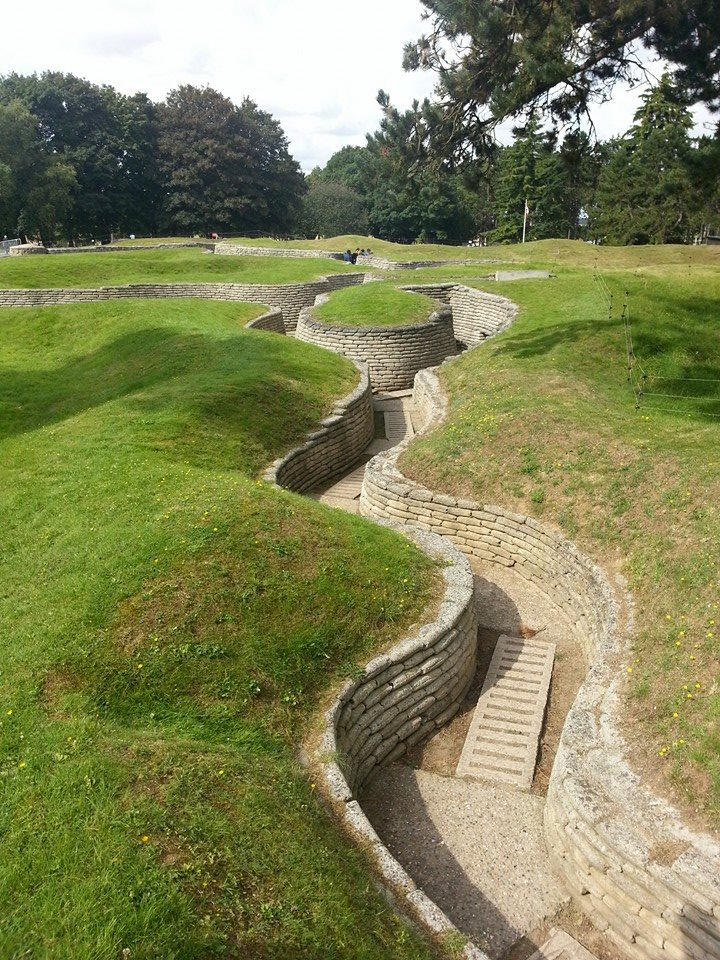
Trenches at Vimy Ridge. Photos: Jonathan Crowe